
wooly allure

Some fleeces showed up this weekend.1

The task was to inspect them before passing them along—
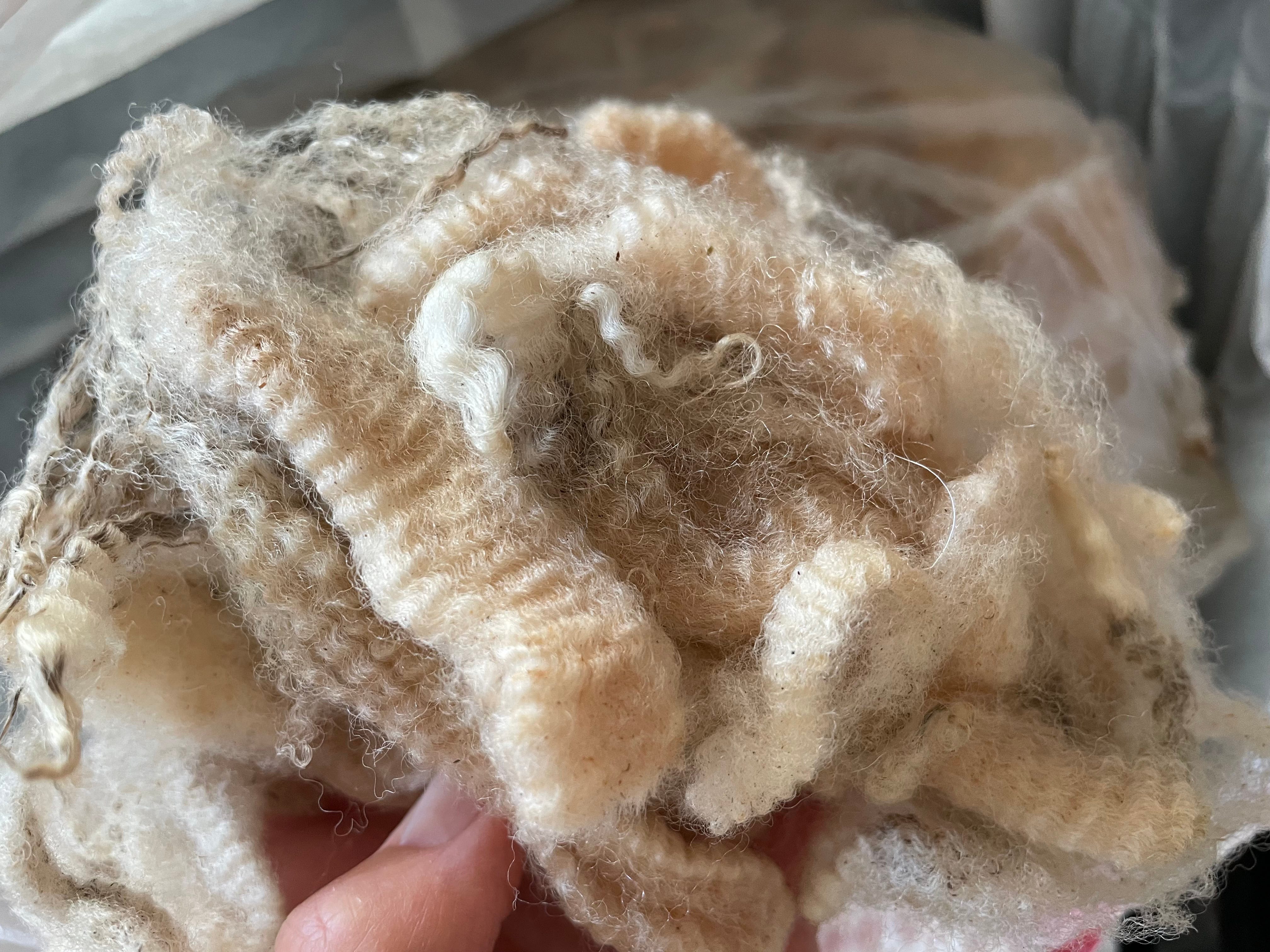
—since I’m definitely not interested in acquiring more fleece just now.2

There’s more than enough going on in my life already.
Still, it’d be useful to see what they are like when washed..3
But I’m ABSOLUTELY

And once clean, there’s no reason not to open them up .4

NOT

Or to add a little twist.5

INTERESTED.

For information purposes only.6
I HAVE NO NEED FOR LONG STAPLE FLEECE.
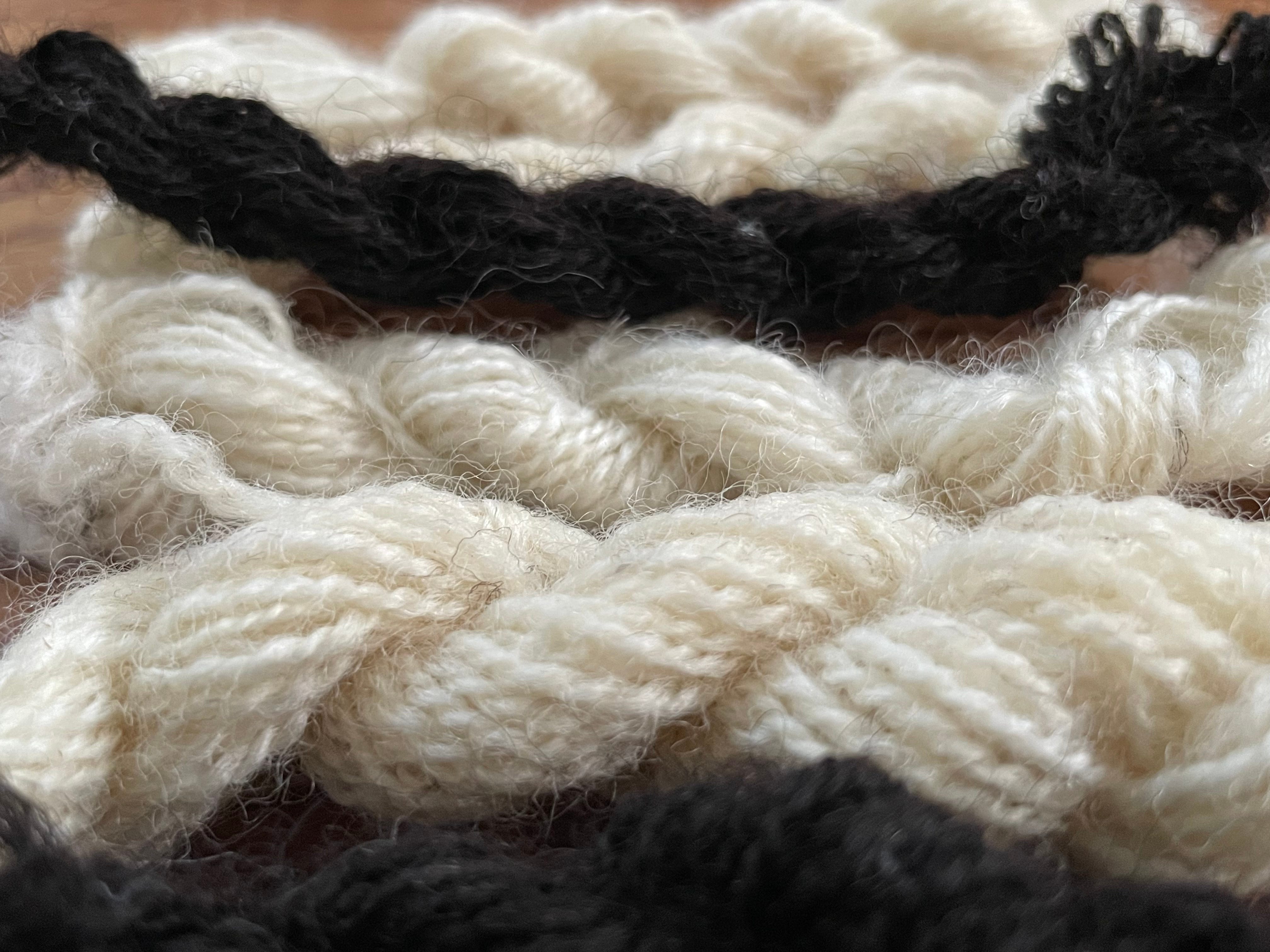
Gosh, the woolen and semi-worsted samples are so different!7
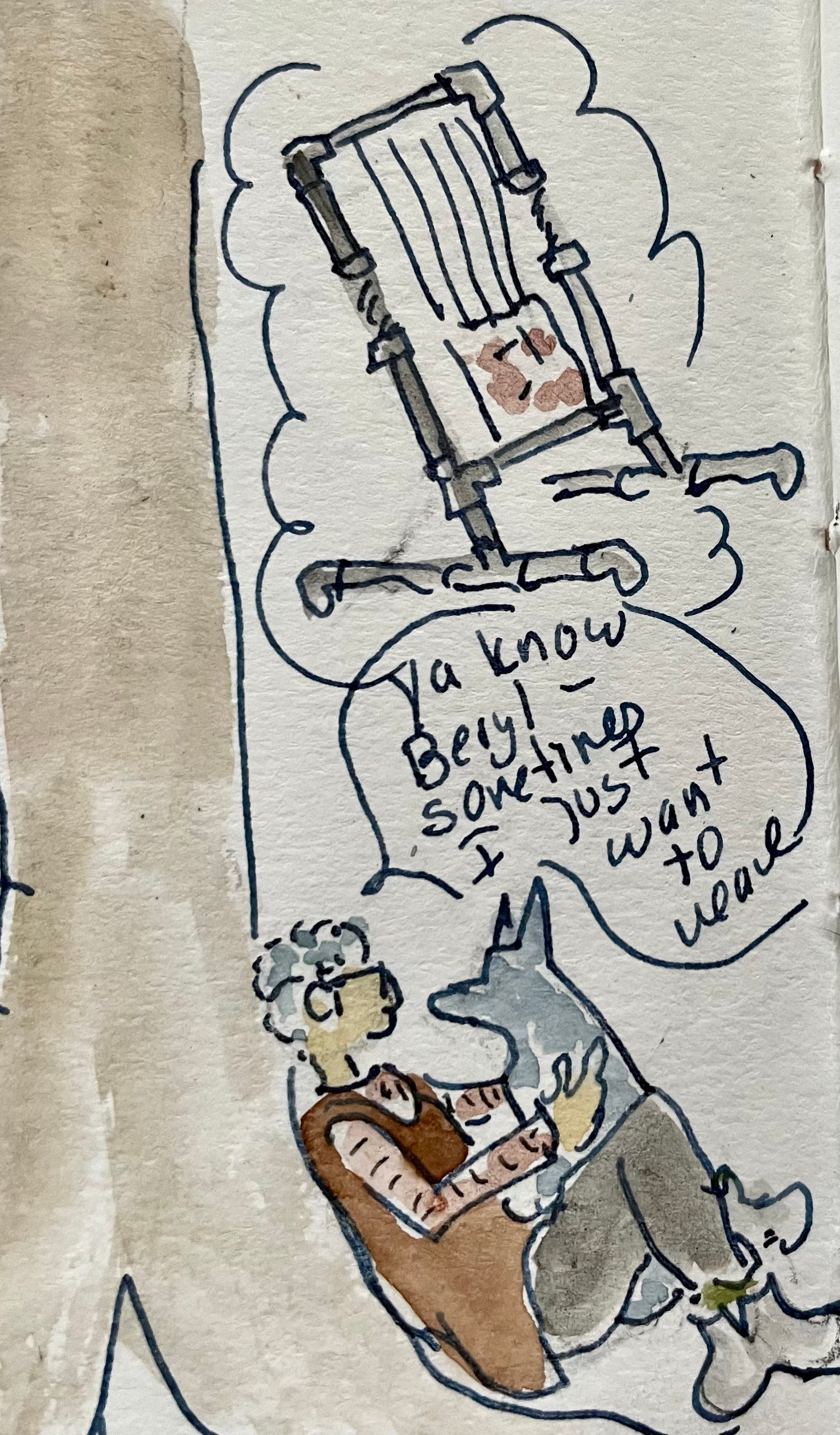
THERE ARE ALREADY TOO MANY IDEAS AND MATERIALS IN THIS SMALL HOUSE
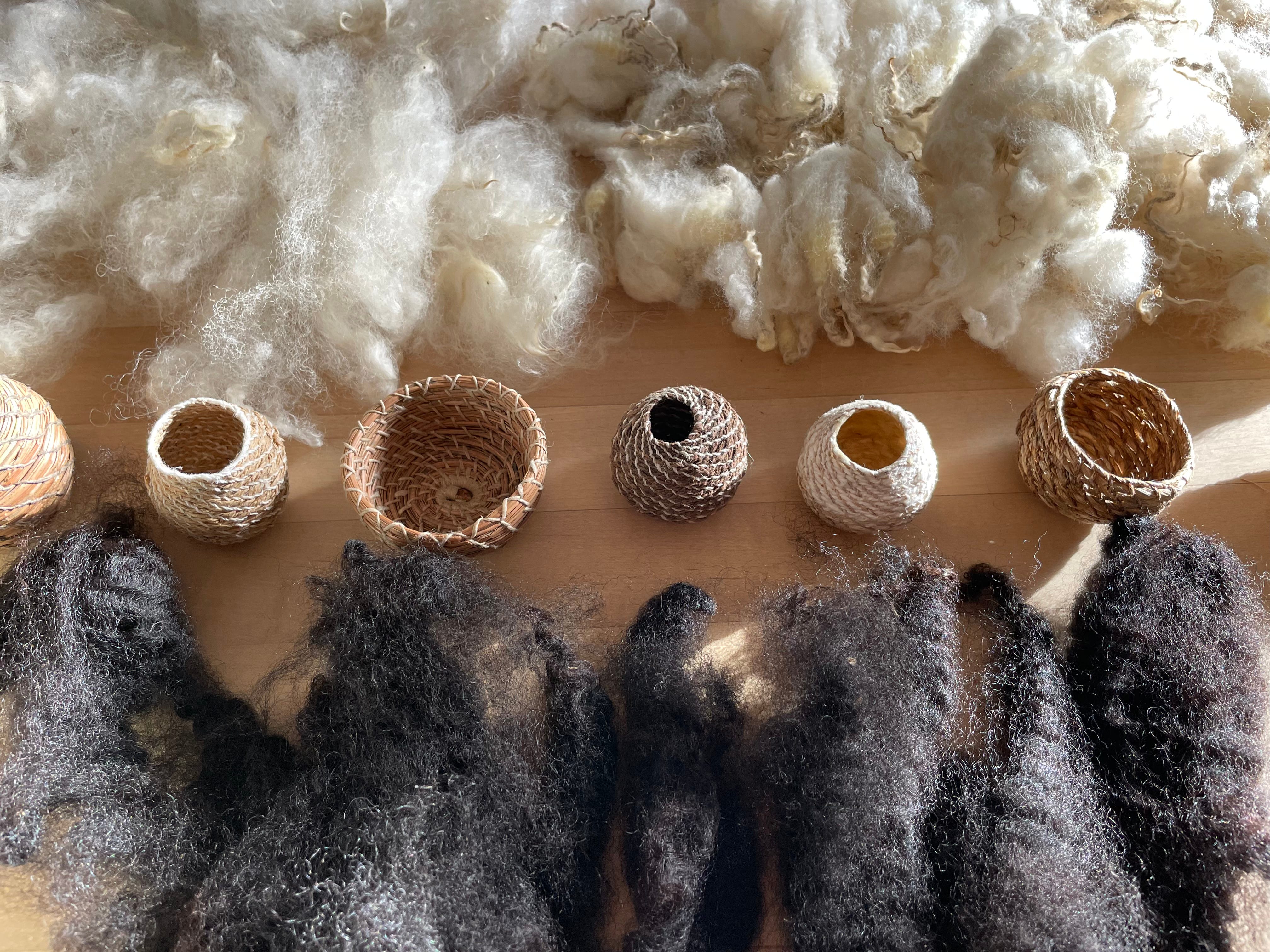
The fibers feel familiar—like dear old friends.8


ALL THAT SCOURING!

It’s only a few pounds—and like the Cormo I can love them up a couple of ounces at time. So glad I have that example.

IT’S JUST NOT SENSIBLE.9
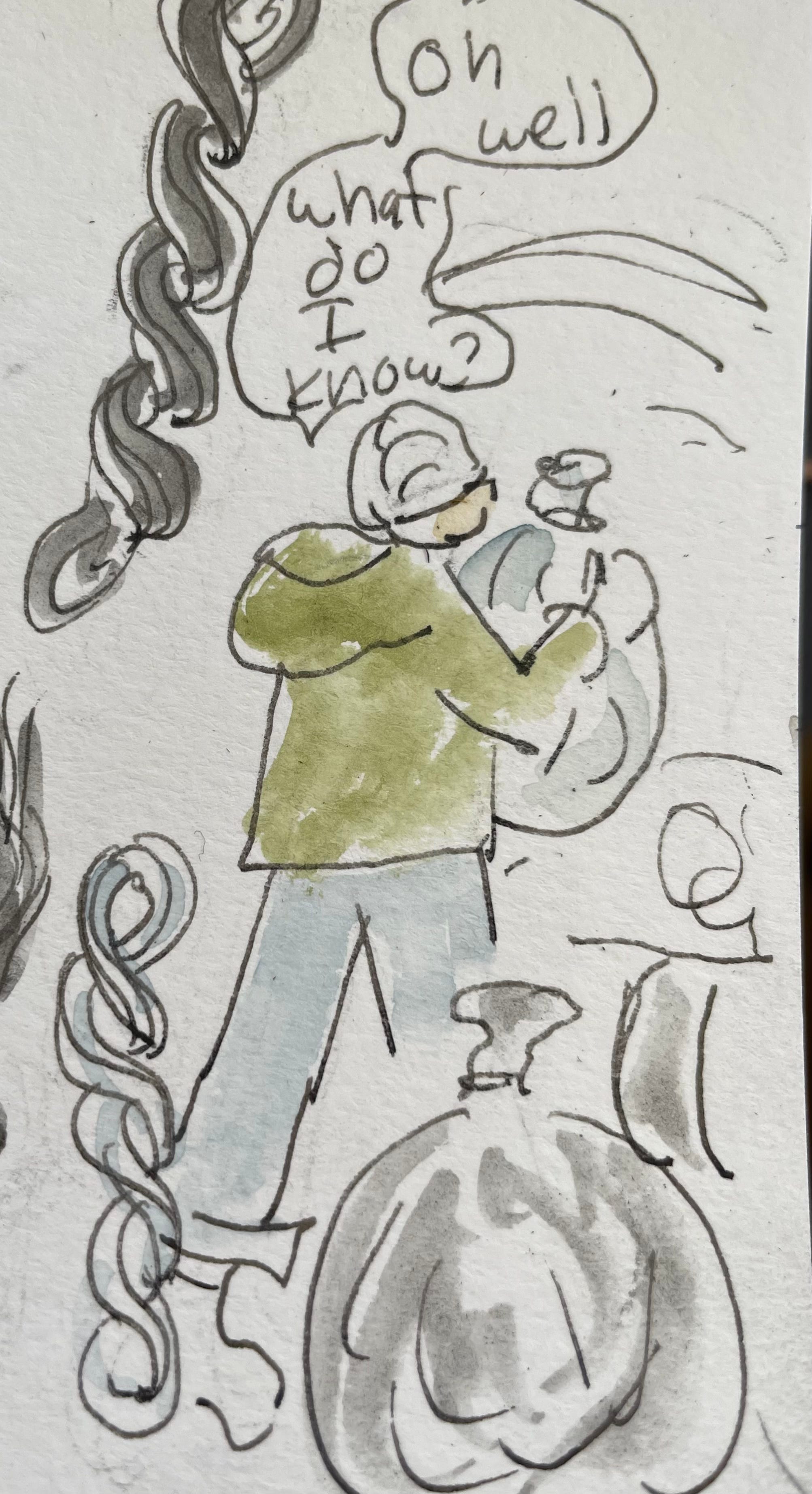
Are accidental adventures ever sensible?
ANYWAY, IT’S NOT A LONG TERM COMMITMENT.

You never know what is going to happen.

My dear friend Vicki has been helping someone cope with the fiber stash of their recently deceased mother, and having two of us to cast our eyes over the fleece-centric part seemed like a good idea.
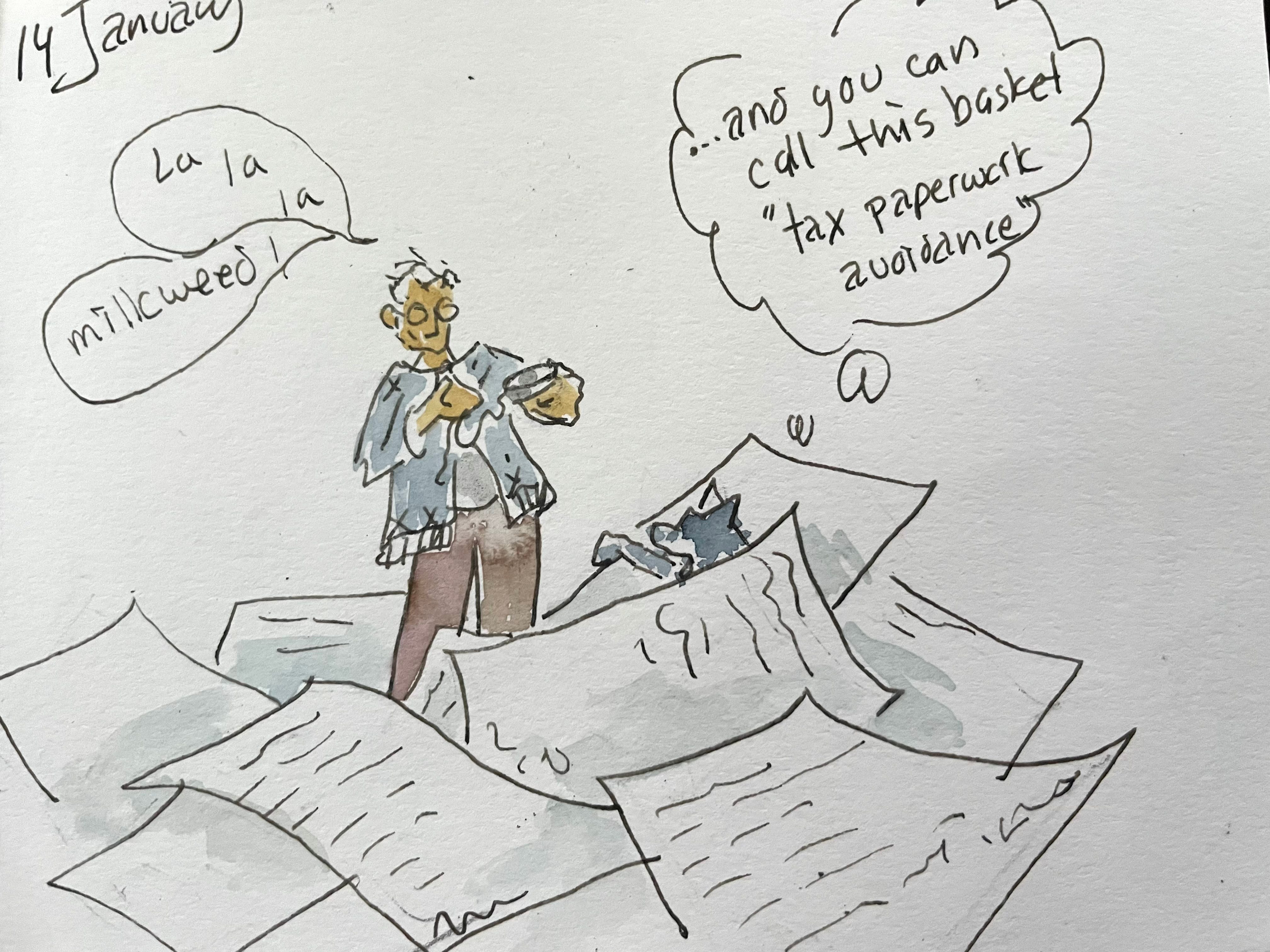
Immersed in delectable Cormo and ever intrigued by the myriad local cellulosic fibers I’m finding and exploring (milkweed, dogbane, rush, pine needles and such), the last thing I need is more fiber.
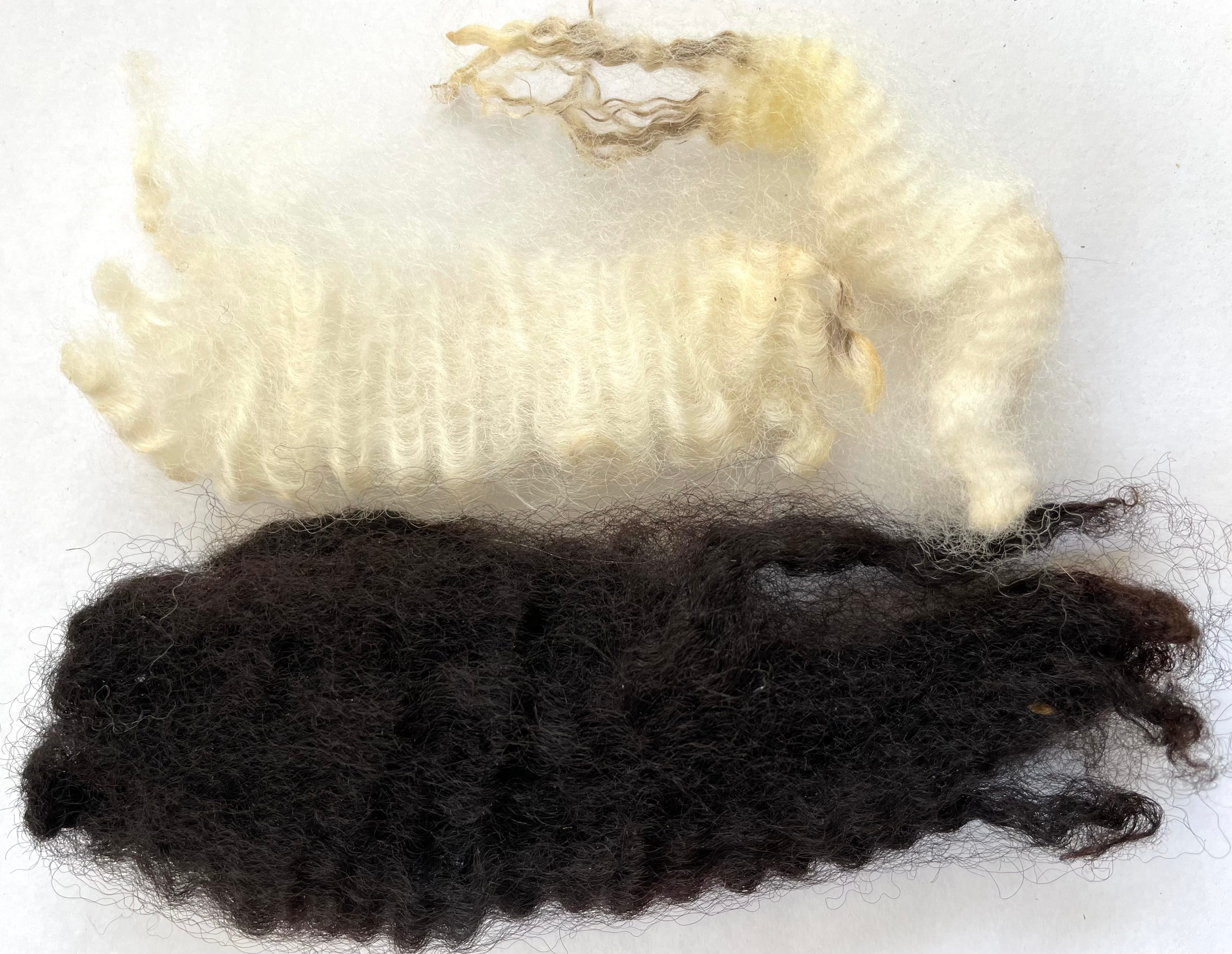
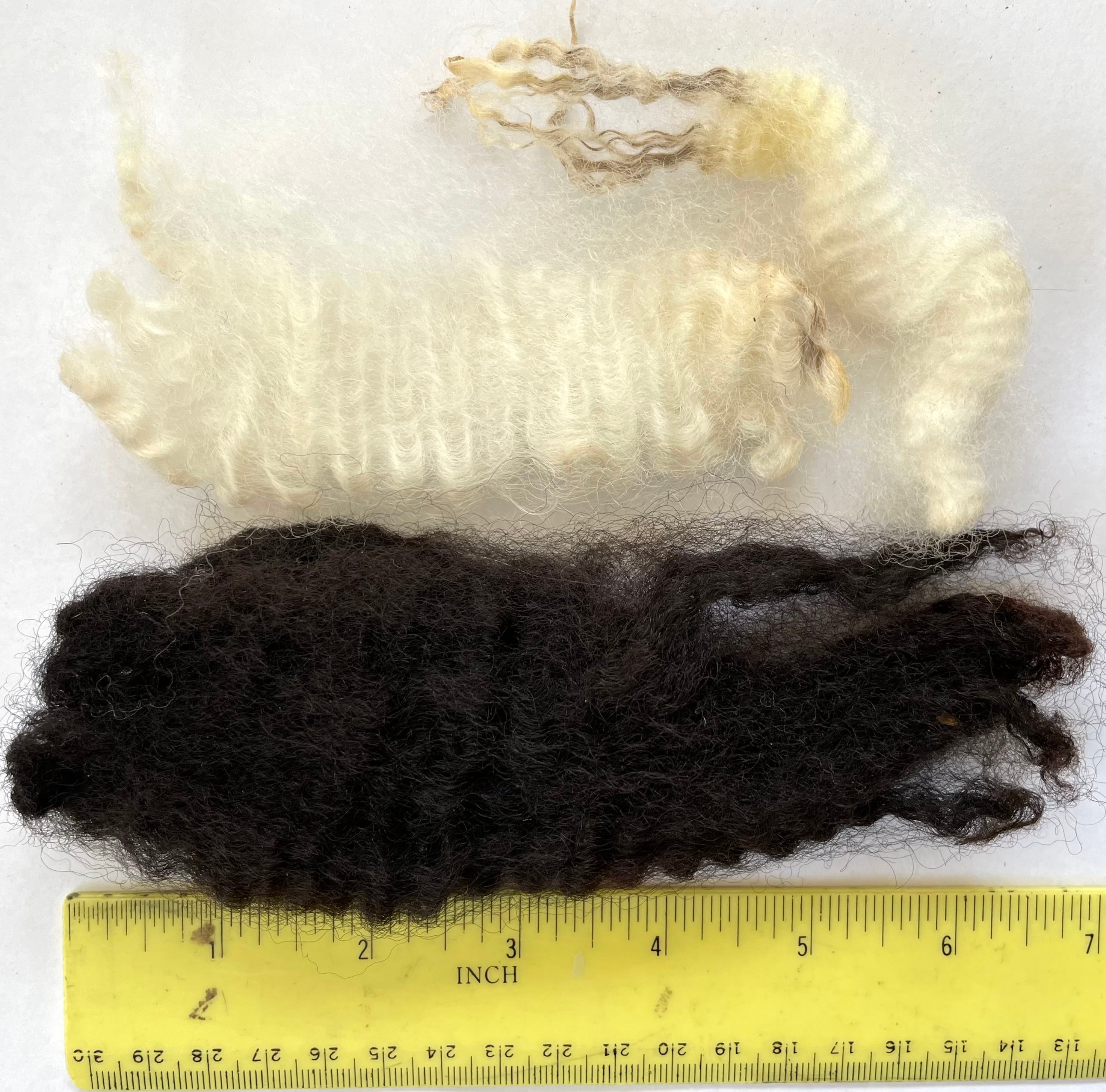
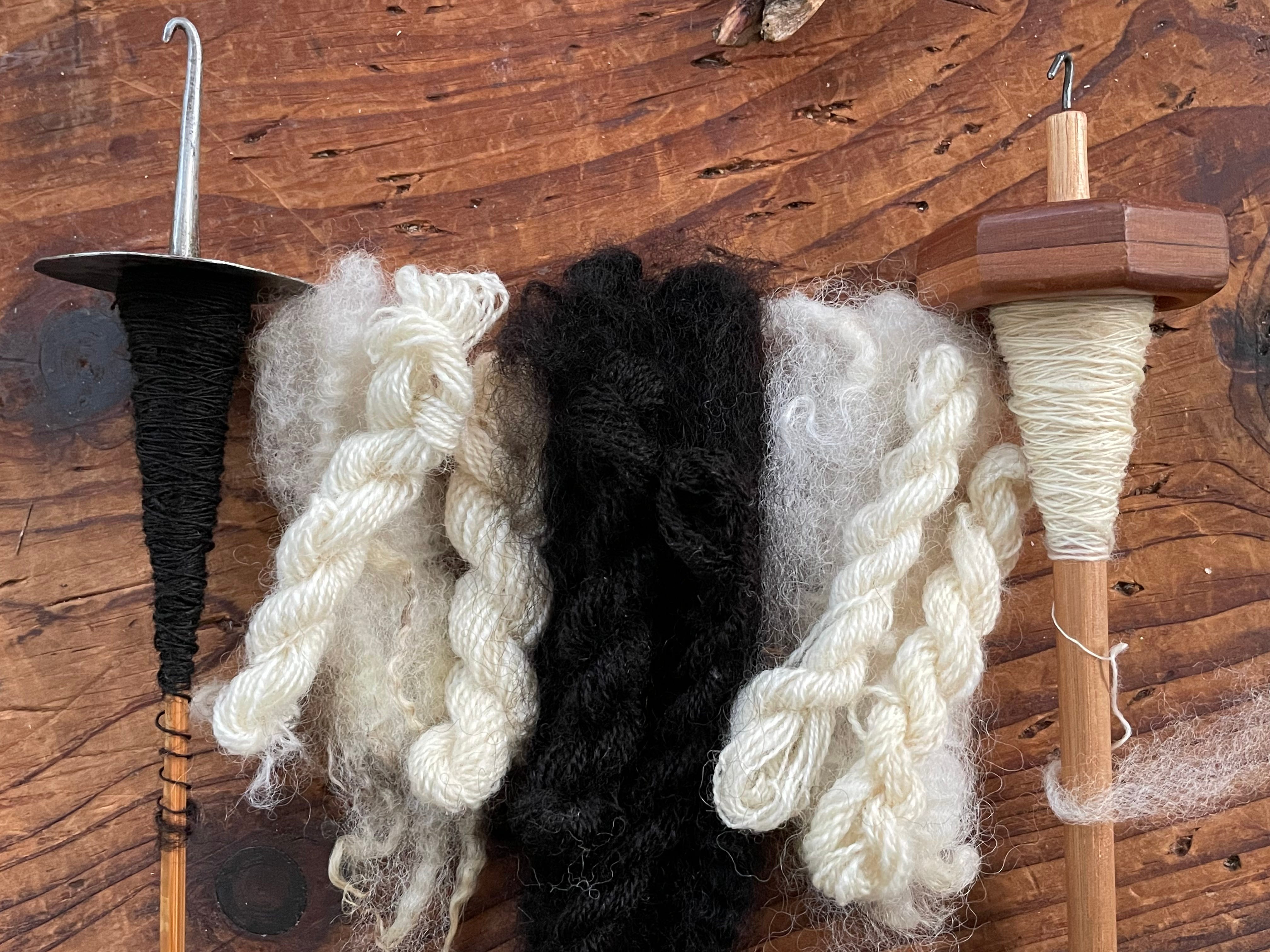
The length and absolutely darkness of the black locks is phenomenal. And though old and greasy, there was no VM (vegetable matter) in any of the fiber.
A light flick and they all blossomed—especially the black one.
My high whorl spindles are all light (18-24 grams) and fast, and once I adjusted my hands to the staple length (each different from the others and all very different from the Cormo and Targhee/Rambioullet I’ve already got going), each drafted like a dream, whether flicked or carded into rolags.
And to see how my hands and the fiber got along.
The black was the most fun to spin when flicked; the glossy open white one was easier carded into rolags, and the tippy (least visually attractive) white fibers were fabulous both ways. Sigh.
Long ago I spun uncountable long staple fleeces like these into both warp and weft for my big, pictorial tapestries. I was looking for strength, shine, and dyeability. It’s been a long time, however, since I’ve had either the need or inclination for such fibers. Or indeed the tools to work with them, for though I still prefer to make warp on a spindle, most of my tapestry weft was spun on a wheel and I haven’t owned one of those for years. The majority of those long-ago fleeces were Coopworth and Coopworth crosses (what my local shepherd raised), but I was happy to use Romney, Lincoln Longwool, Border Leicester, Wensleydale and other long staple breeds when they appeared.
I believe these three fleeces are Romney— though all I know for sure is that the tippy white locks came from a sheep named Olive.
It’s also not as pictorially thrilling as some of my other fiber adventures, for much of the bliss of these locks and skeins is purely hapticand I wish I could share that aspect with you. But reminders that hidden tactile material beauty (and comfort) exist—even in old plastic sacks and stiff, greasy fleeces—and are worth noticing and tending, inner protestations or no. So on we go.
Oh Sarah, I had to laugh when you came across those fleeces.......we don't need more fleece but impossible to pass up! they look beautiful!
Those are gorgeous fibers. I don't blame you for sampling.