
collaboration

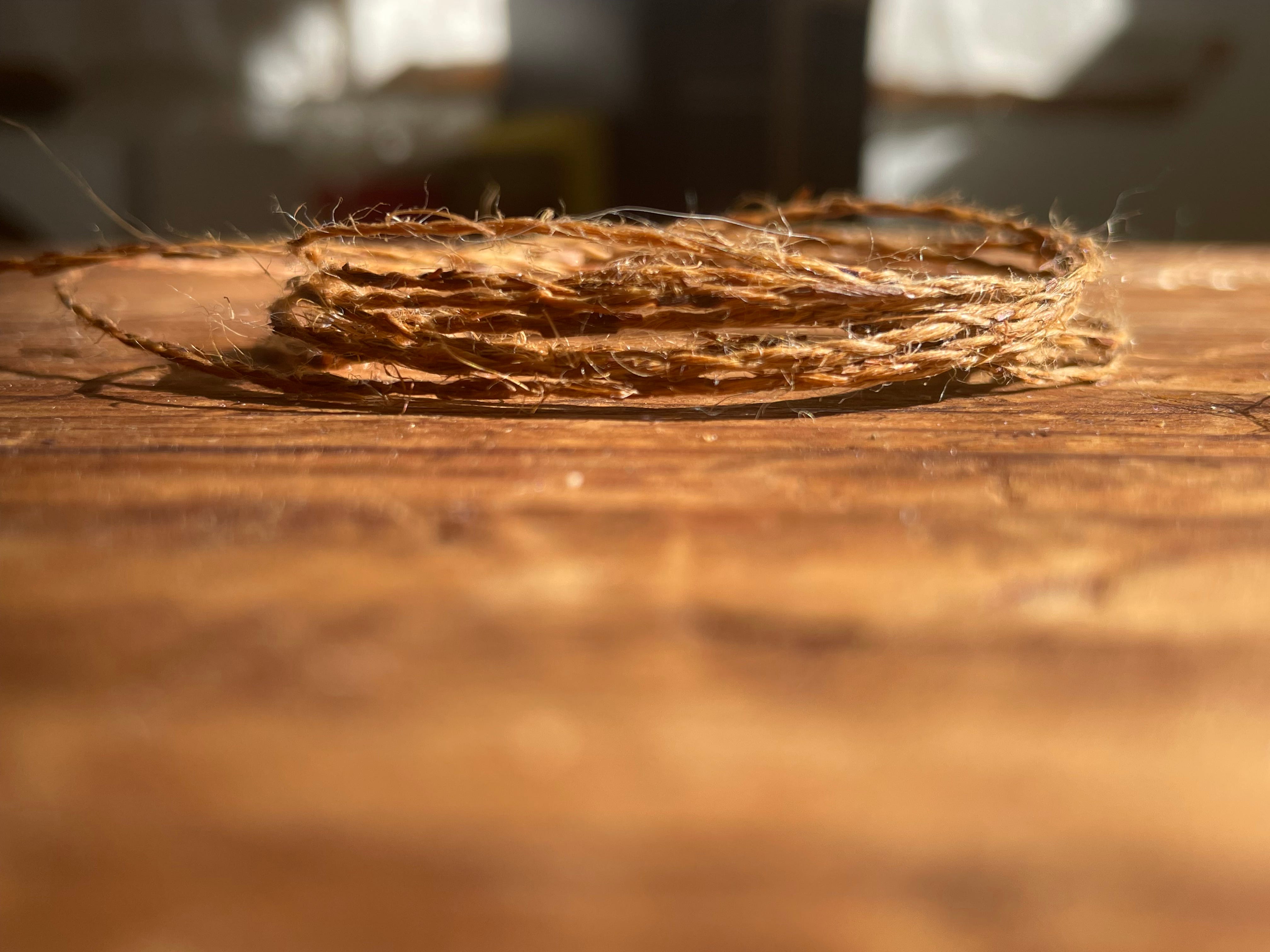
Among the enchanting things—
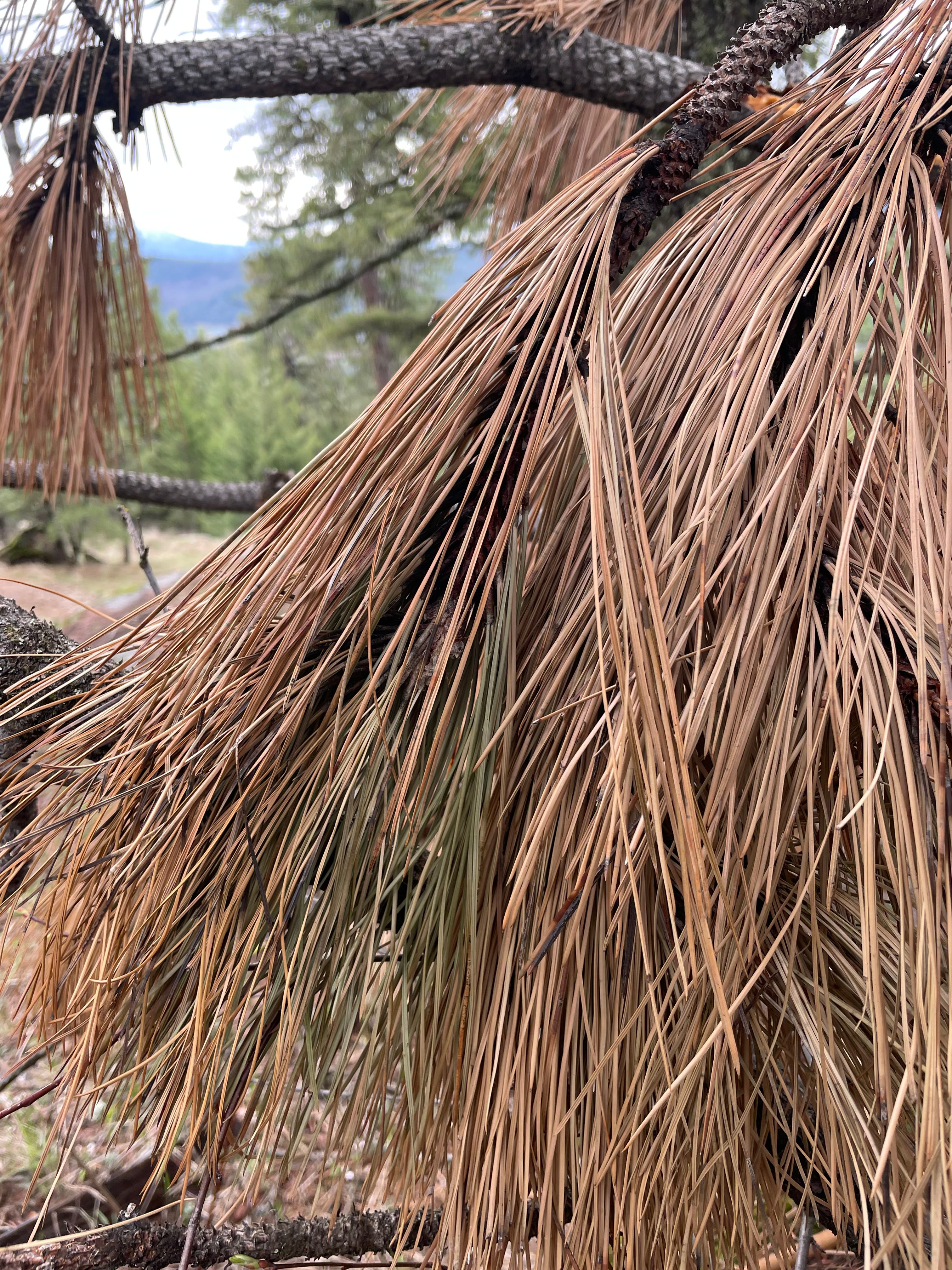
—about chatting with fallen trees—
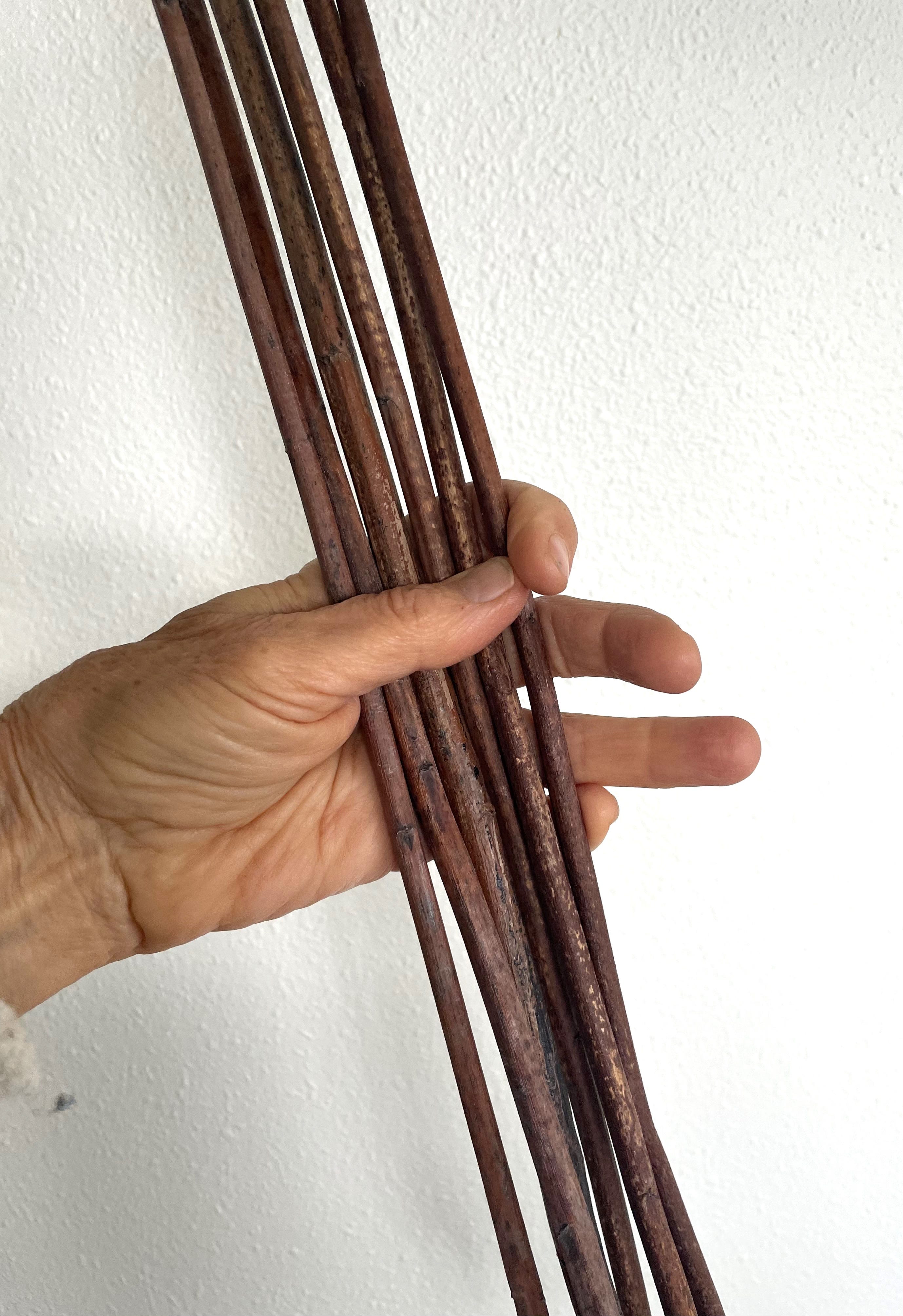
—and conversing with dry sticks,
—about collecting,1
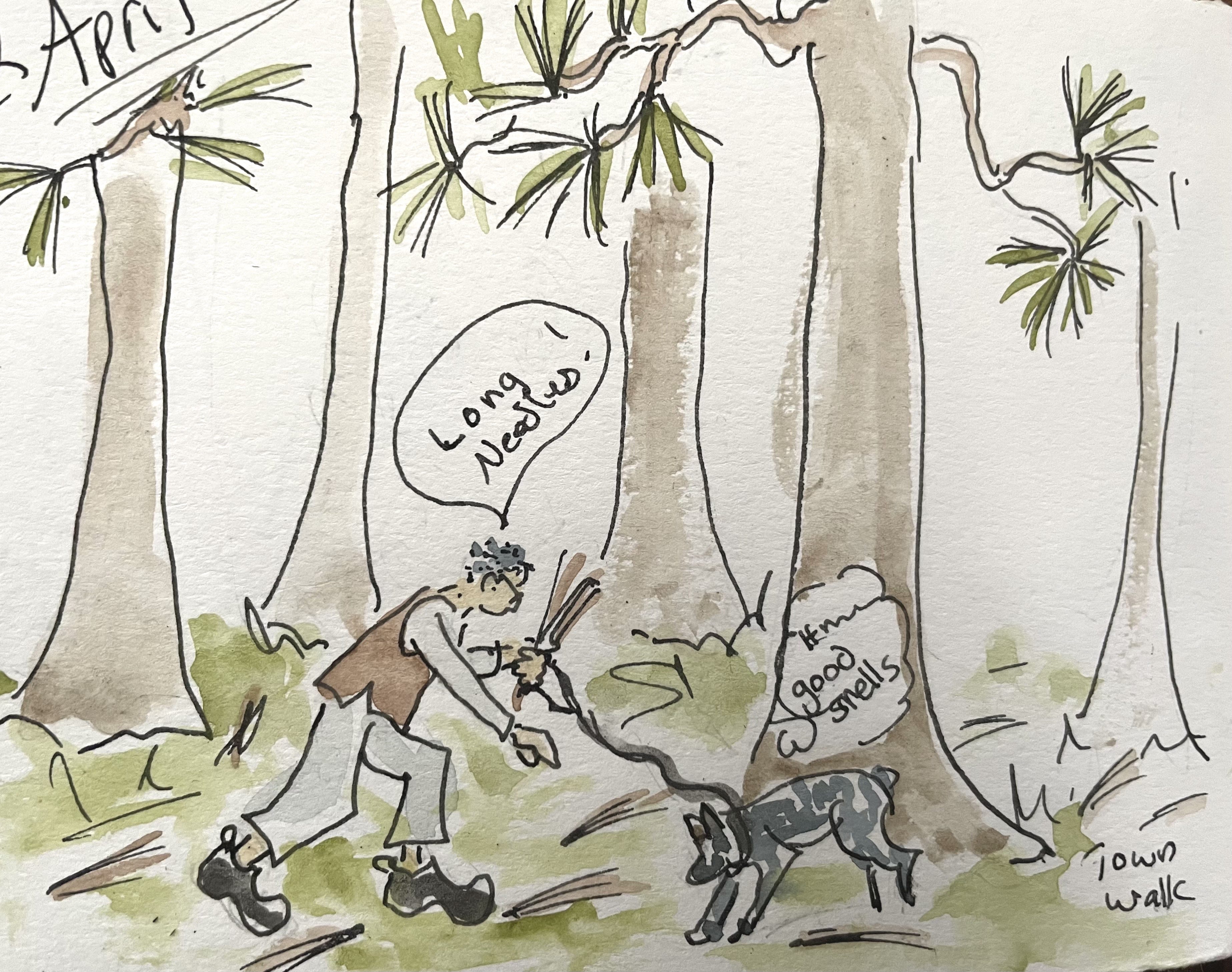
—caressing,2


—combing,


—and coiling,
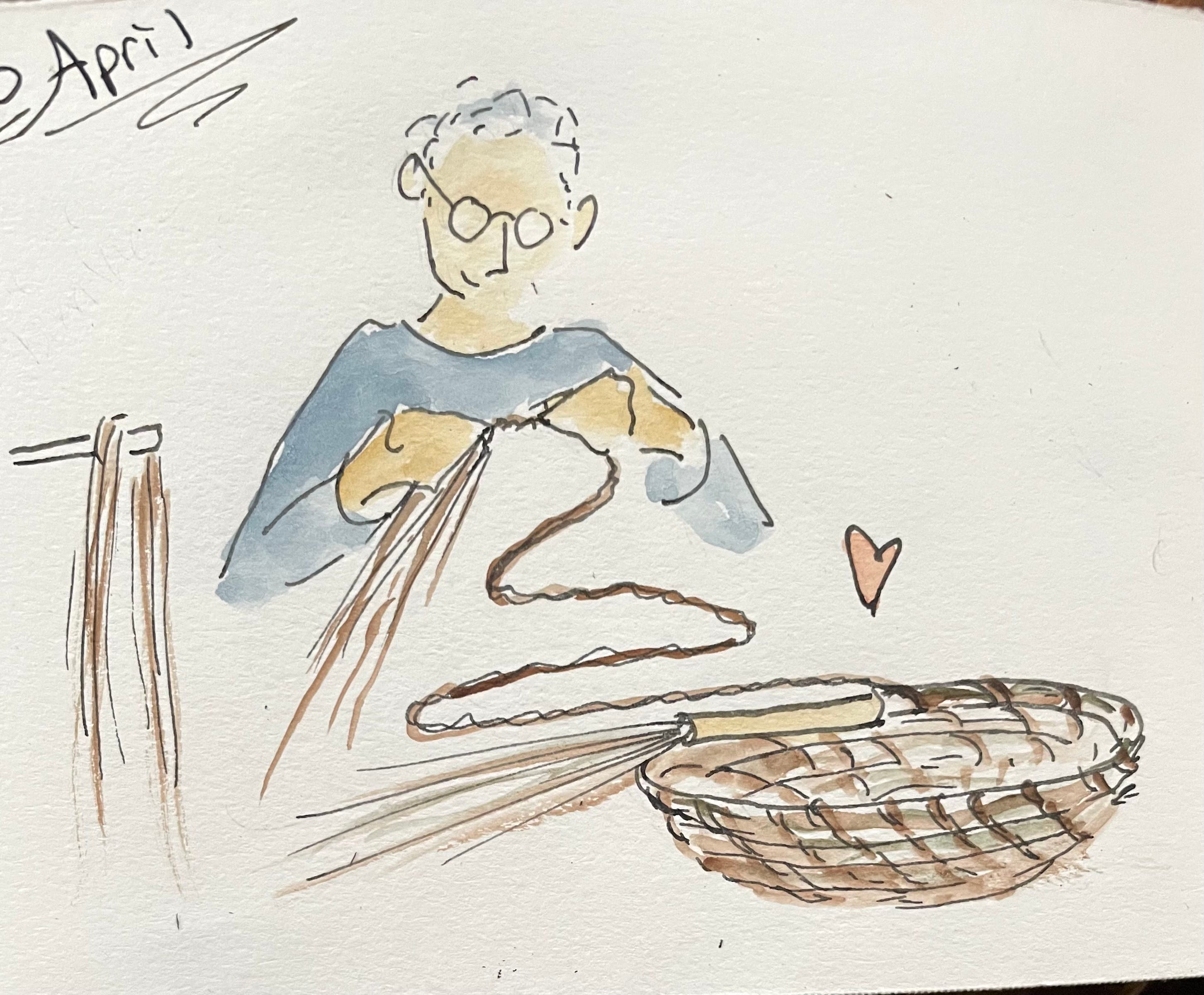
—about choosing circuitous camaraderie—
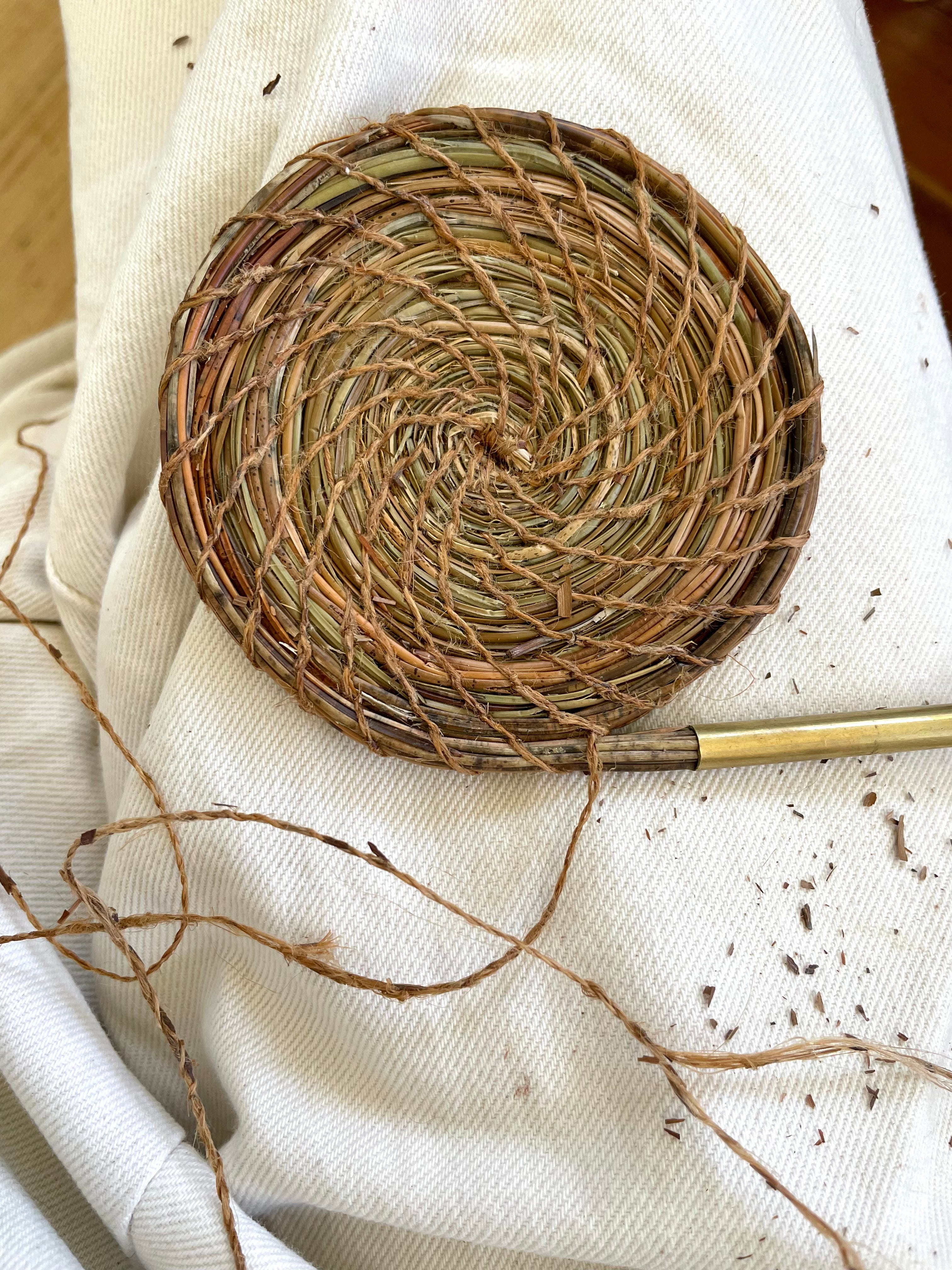
—and flaky friendship,3
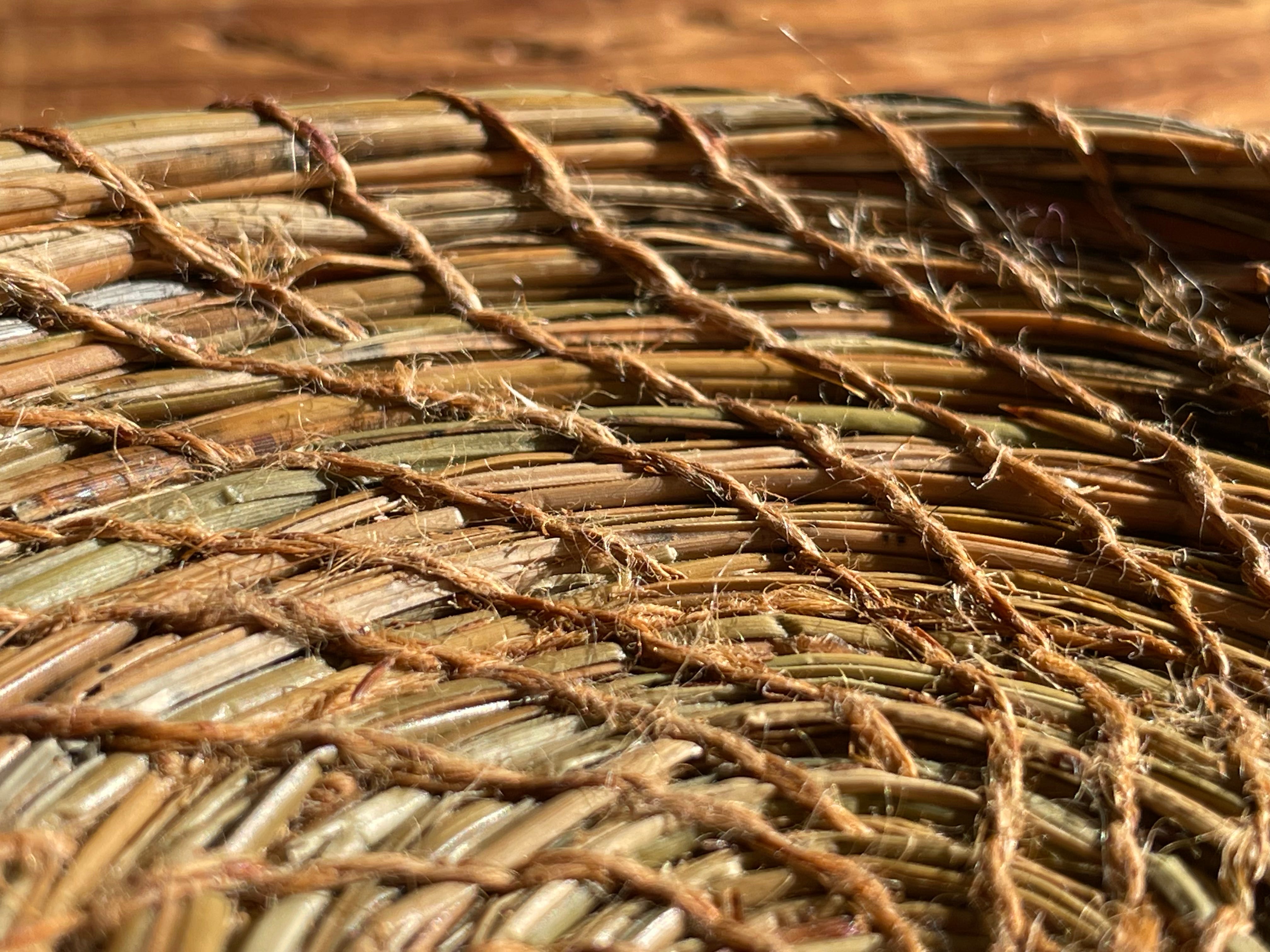
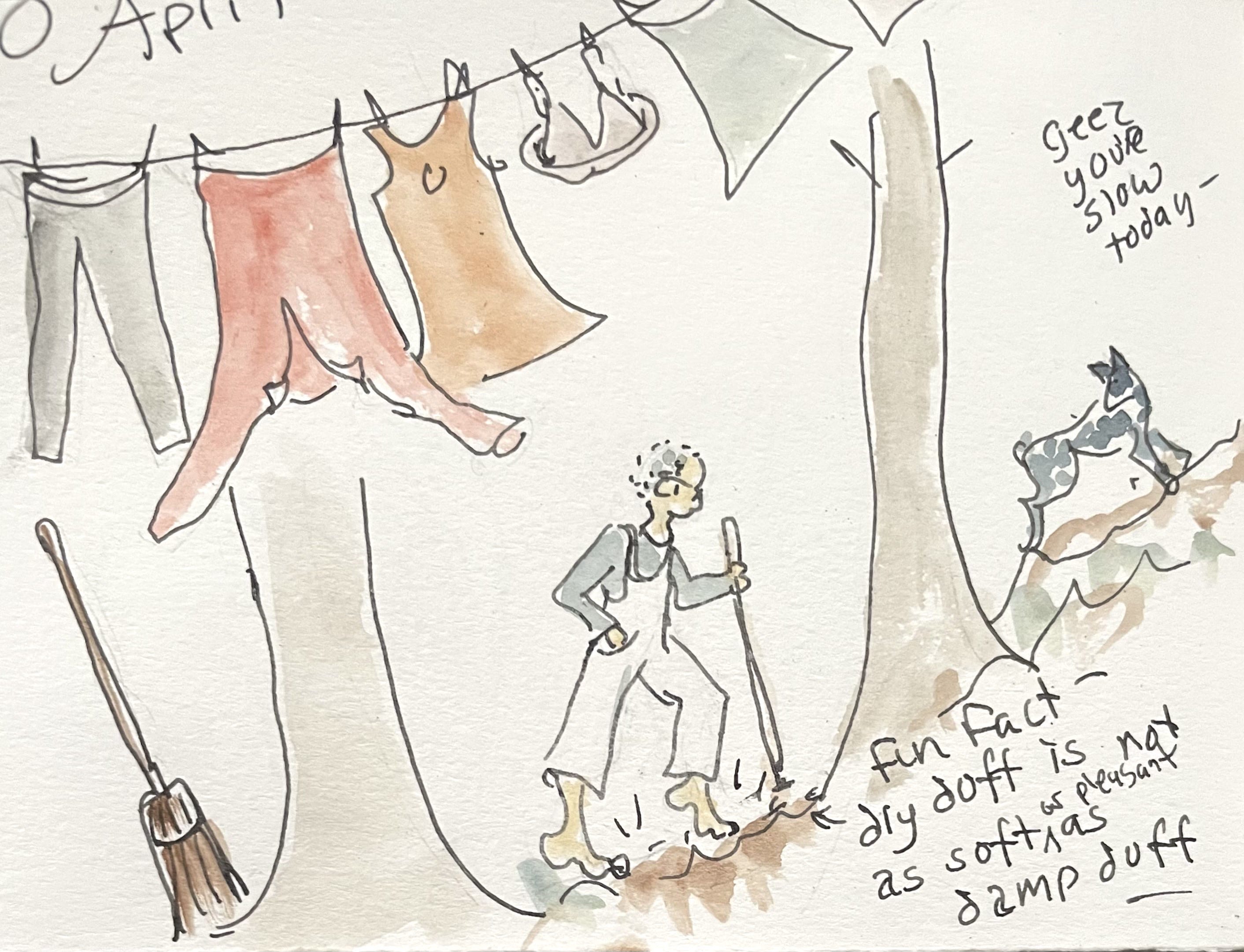
—about geeking out over variations on a theme of brown—
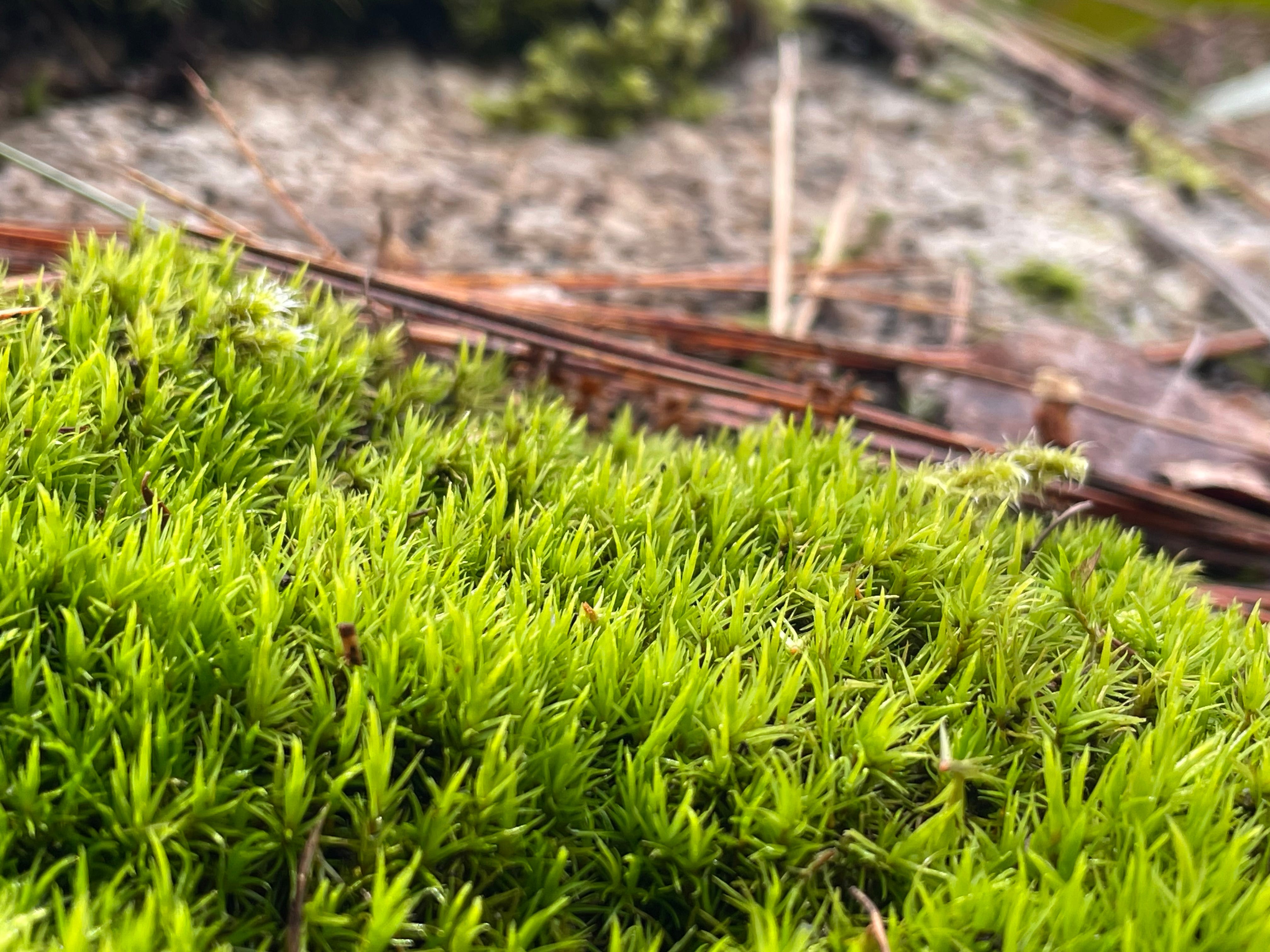
—even as my world—
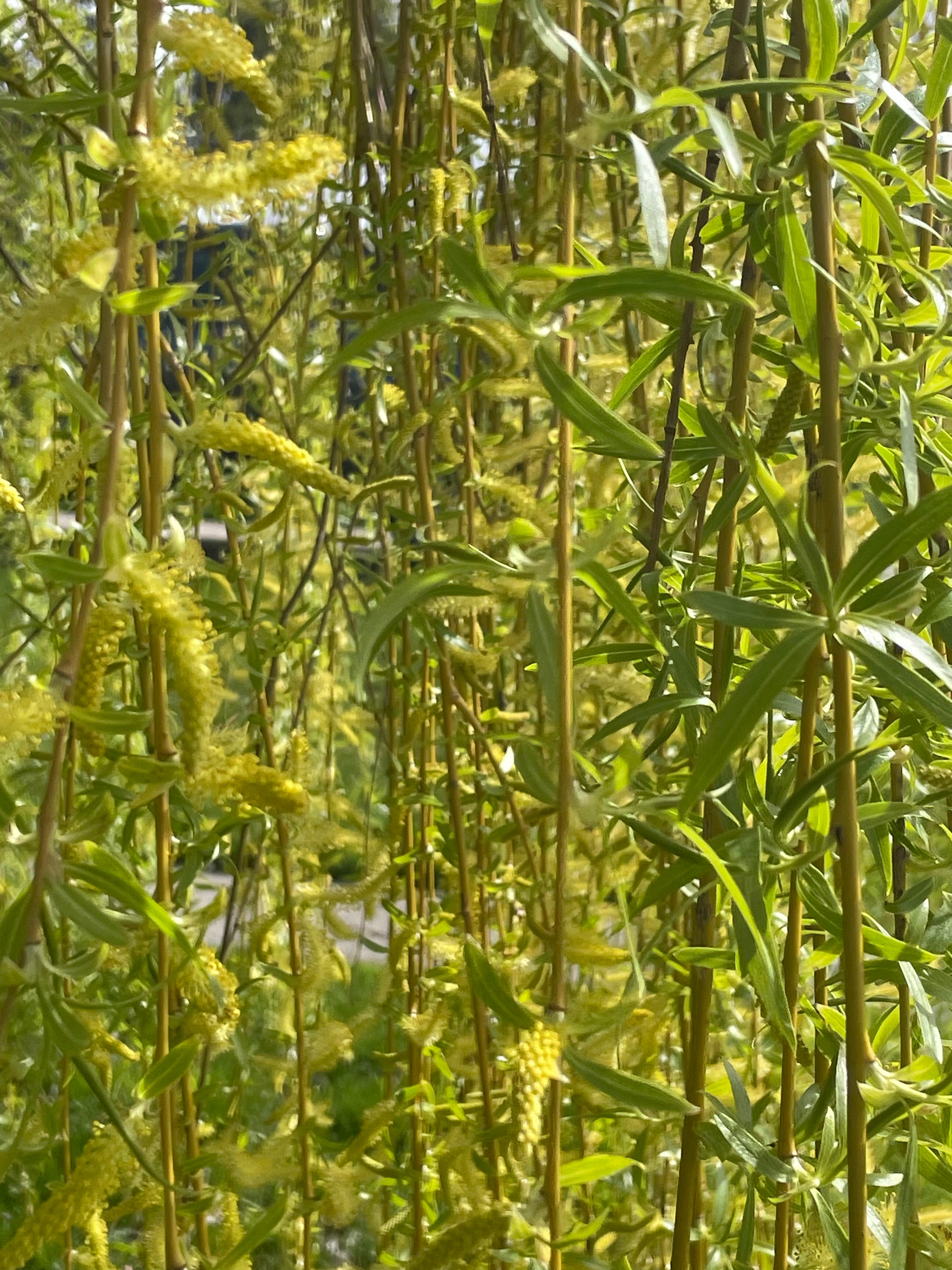
—is glowing with green,
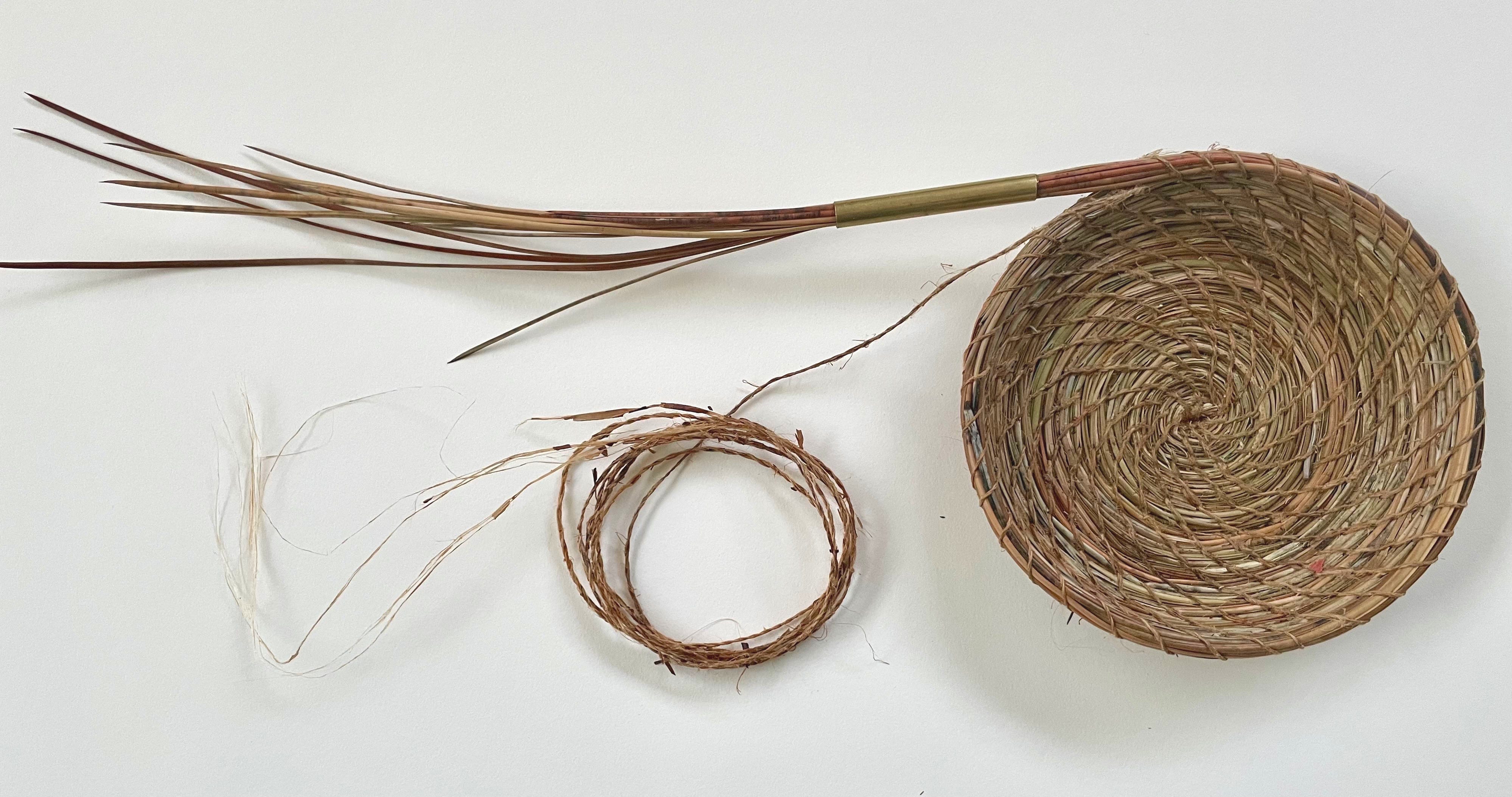
—about not having the foggiest idea what is coming next—
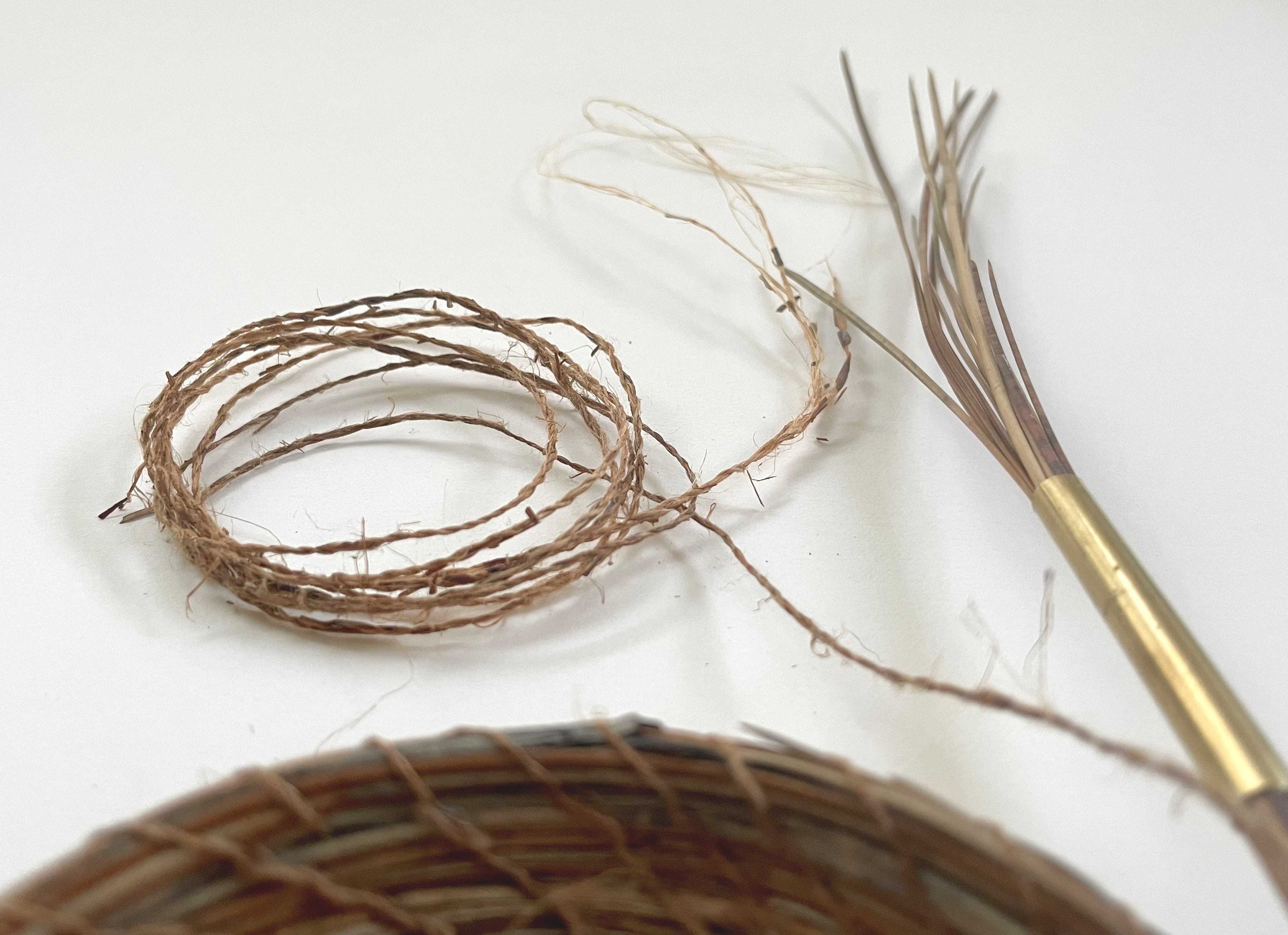
—beyond the uneven ends of where we are now,
—is that they all connect me to the other beings—
—who are and have been doing these same things—4
—for a very, very long time—
—and help me realize that despite (or perhaps because of) all we think we know—5
—having the capacity to take (and share) this path of elemental material delight—
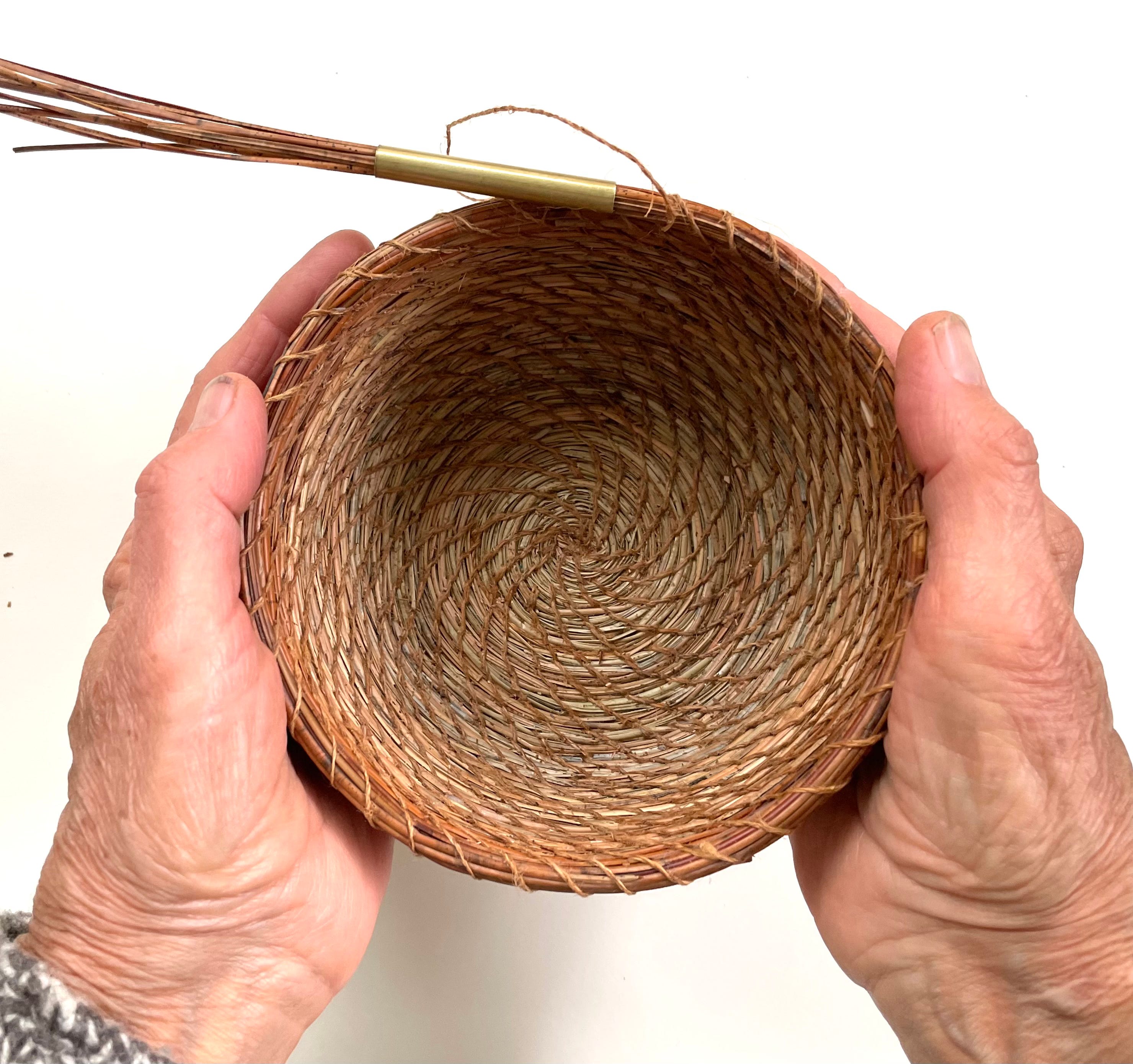
—is still (and will hopefully ever will be), a joyful and numinous thing. 6
There is something about having things to notice—especially outside—that adds a delicious focus to the days. Sometimes of course, a gal doesn’t even need to look because an extra-long Pine Needle is right in her path, a Winter Wren is singing their heart out a few feet away (despite background traffic noise), or a Western Kingbird is right outside the car window. In her recent blog post Birding Around, Rebecca Mezoff writes about birding and tapestry for anxiety reduction, and even as I am a weaver (and not a birder), I have been, as ever, inspired by her thoughts.
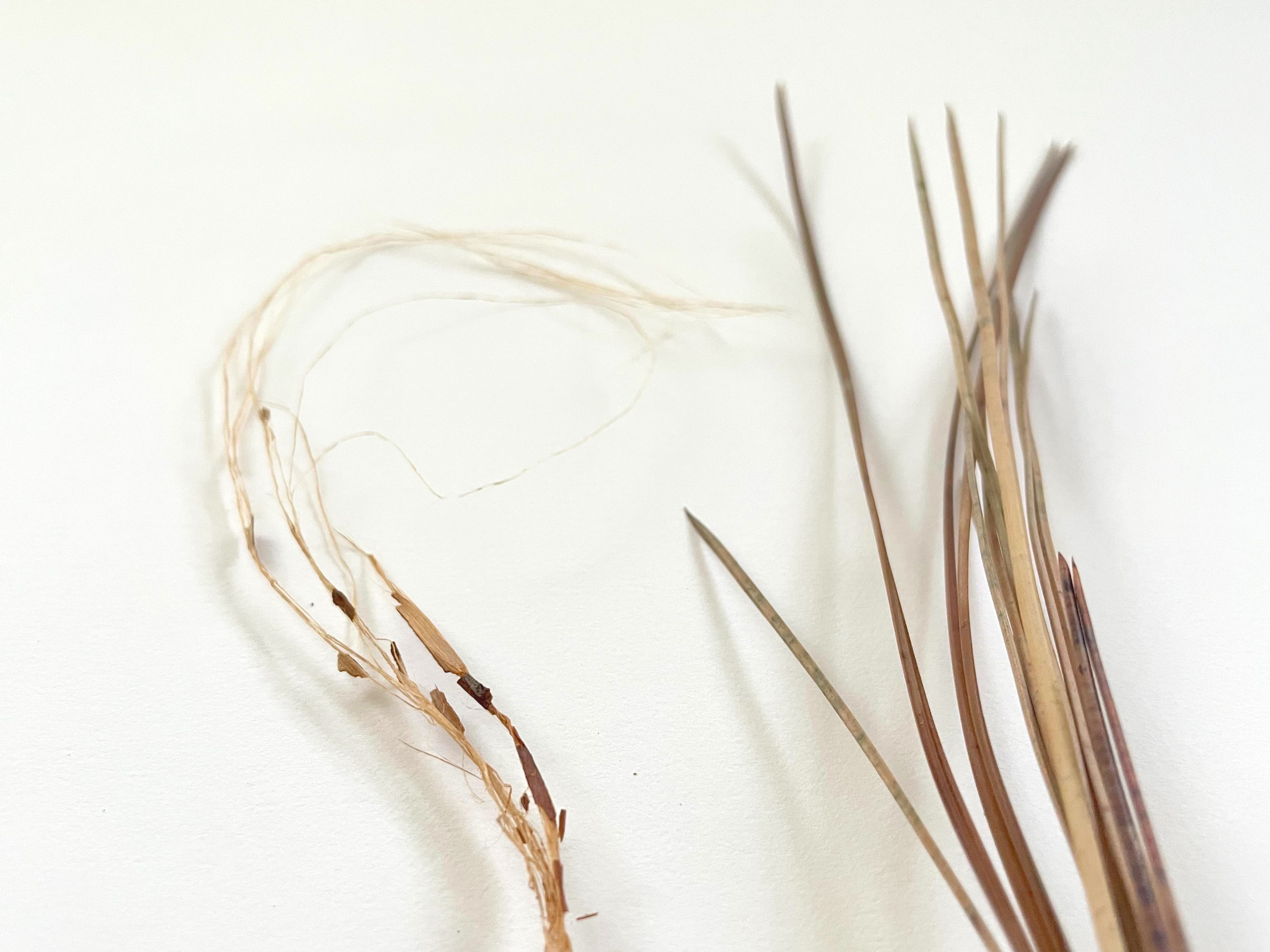
My friend Patti, also in the throes of a delicious Dogbane detour, used the word caressing to describe a way of releasing the fibers from winter stalks and I’ve found her approach to be most efficacious. Previously I’ve worked with Dogbane much as I have with Milkweed—essentially lifting one strand at a time from the outer skin of the stalk. But working with the fibers in a larger group, a handful at a time (a little bit more like Flax), makes more sense given that the individual Dogbane fibers are finer those I find in Milkweed. Here’s a brief beginner’s overview:
After peeling the bark (a combination of the phloem/bast/inner bark and epidermis/dry outer bark) from the xylem/woody stalks, I gently caress it, a handful at a time, until the epidermis has broken into little bits that flake off like so much confetti. I then give it a gentle shake, then comb/brush along the length to remove the shortest fibers and flakes of bark. This doesn’t get rid of all the bark (I am protective of every strand and would have almost nothing left if I did that), the resulting fiber has been nice to work with. I still have MUCH to learn, but isn’t that the joy of it?
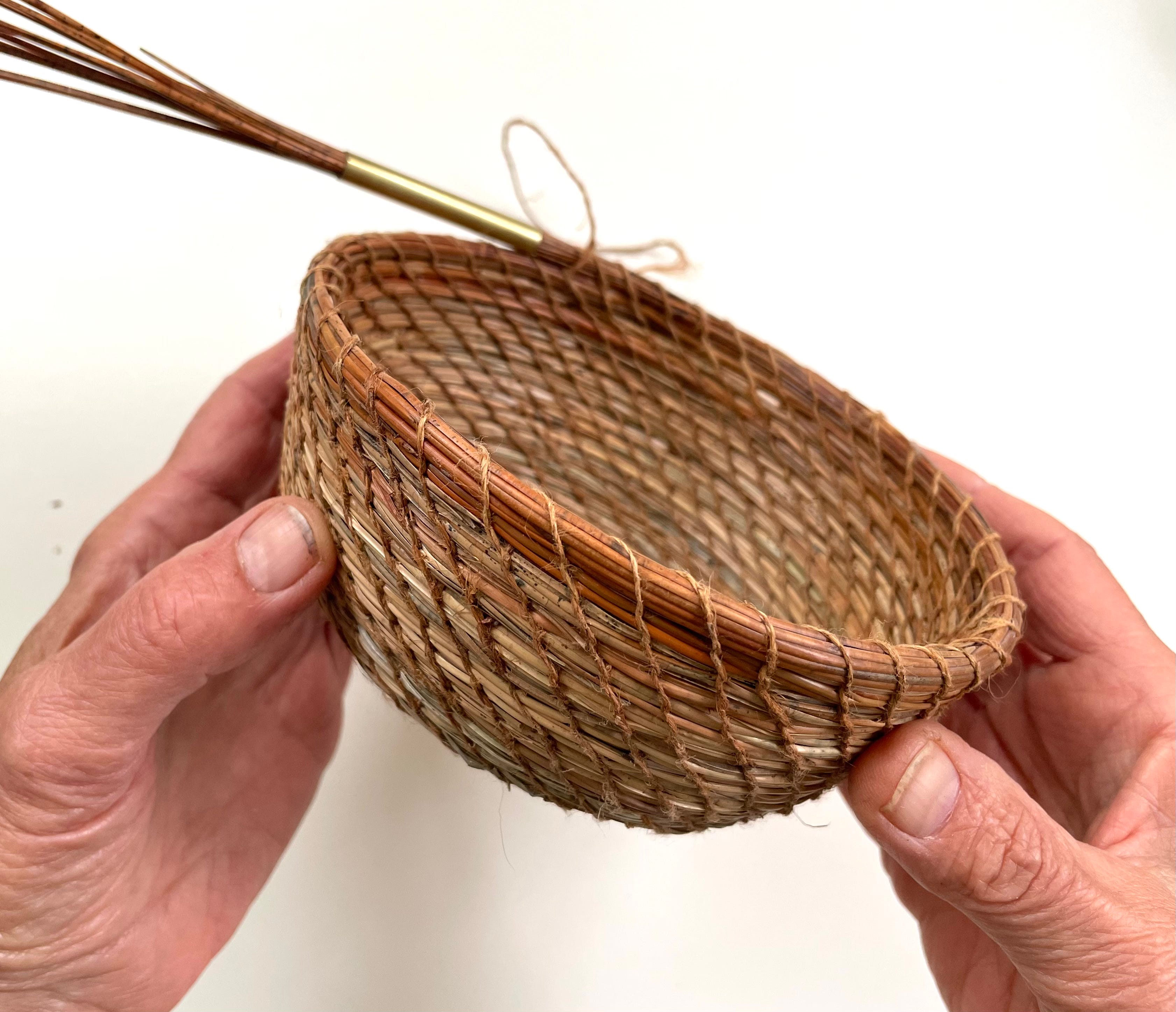
As you can see, despite the preparation I described in footnote 2 there are still many bits of bark in the fiber, but as I’m making the cordage relatively fine, and finger twisting rather than thigh spinning, a fair bit flakes onto my lap as I twist. And since this fiber is for lacing a basket rather than for clothing I’ll wear against my skin, I don’t actually care if some remains—at least as long as the bark doesn’t interfere with the structural integrity of the cordage, which needs to be strong to hold the Pine needle bundles in place (ask me how I know ;-)
Making cordage, making footprints—we’ve been doing both for an awfully long time. In her beautiful book Wild Basketry, Ruby Taylor has included several wonderful essays and in one she talks about the history of cordage and baskets. Here is a brief excerpt:
In some areas of Upper Paleolithic Eurasia, for. example, we have evidence of advance basketry and loom-woven textiles dating back 30,000 years or more, with rope and twine production as early as 50,000 years ago. We don’t know which came first, baskets or cordage, but currently the evidence for cordage is older.
In her recent post, When The World Shut Down Antonia Malchik shows an image of a 900,000 year old fossilized footprint. And while I totally recommend reading the entire essay, I want at least to include her lovely concluding paragraph:
We all have the right, and the capacity, to shape a world around relationship.
Billions of feet are wandering Earth right now. Each of them leaves a story, whether it’s fossilized for the study of scientists and poets 100,000 years from now or not. Whether those stories will show future generations our time’s shift from harm to care, from extraction to kinship, rests partly on obvious and visible choices our societies make now, but also on the thousands of imperceptibly small steps each of us takes next.
And all the ways we seemingly willingly hand off our humanity (and creativity) to machines. I still haven’t willingly used ai (and am loathe even to give this creative and environmentally destructive thing the dignity of capitalization), but assume, like microplastics, that it has made its way into most of the systems that prop me up. So as I do willingly live in this world of ours (cuz—internet, electricity, Substack, 21st century life), it is all around me.
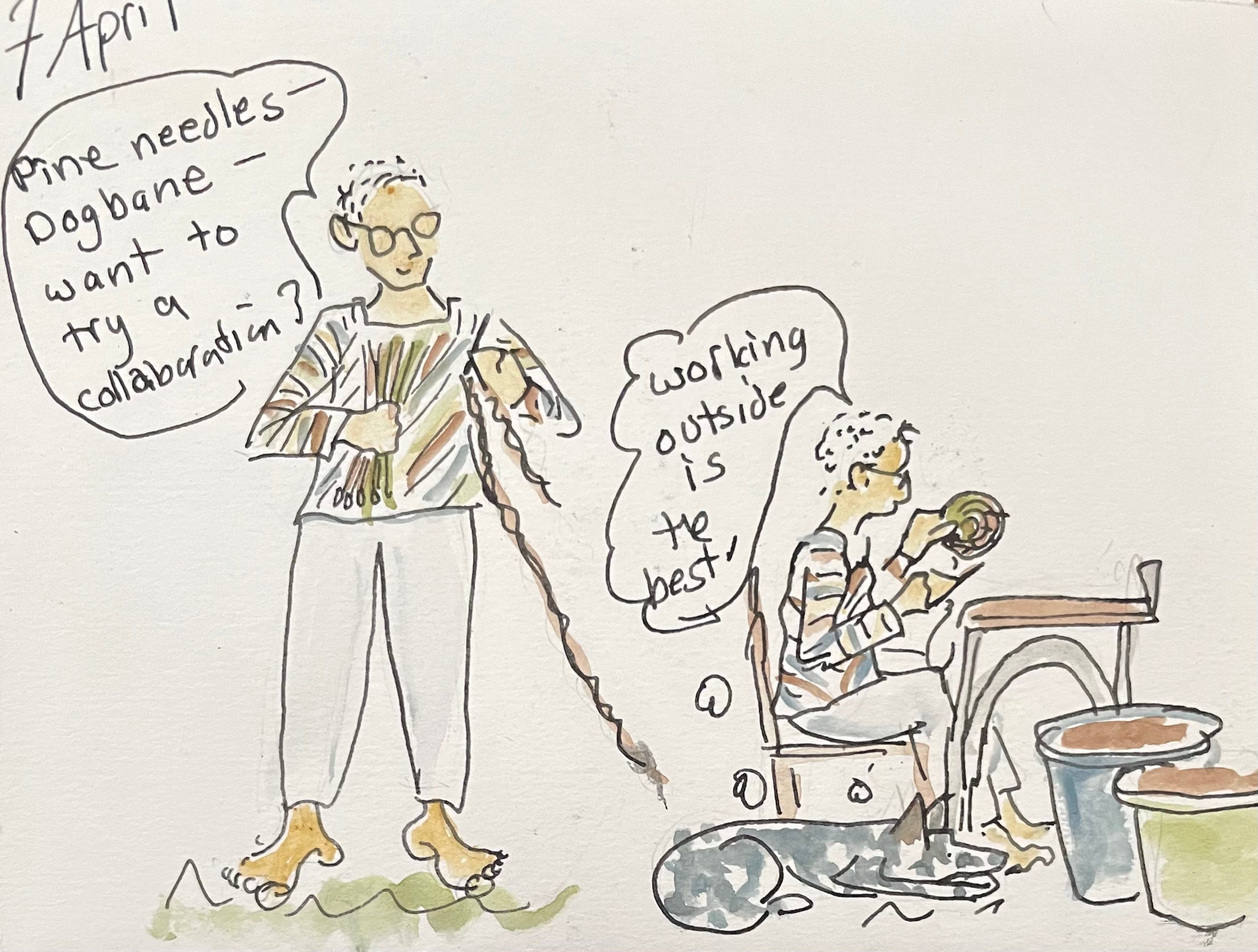
I don’t think I’ve ever before written the word numinous, but have long loved it and suppose the unlooked for delight of a Pine Needle, Dogbane, Sarah collaboration at this moment in time, is reason enough.
I also kinda wanted to use the word important in here. Because I do think it is important to work with these materials, to share them and collaborate in the making of elemental things. But other than that I also believe that the numinous is hugely important, is all too easy to decide that the concept of importance—which somehow inevitably creates a hierarchy (with itself always at the top)— is more important than anything. If you catch my drift. And I just didn’t want to imply anything of the kind.
You have me hanging by a dogbane thread. So hard to turn away from the world of people scrambling to get by, with their aging cars, computers, fast cheap clothes, the lies about economic well-being belied by the unaffordable food in the grocery store, the reminders all around me that life is whizzing by and I am slow, too slow to keep up; a life that has left so little of me and a sense there is no time to create my own, then here comes Sarah, with her doggy companion, curiosity, bare feet, nimble fingers, and an eagle eye for fiber lurking inside an innocent-looking shrub or forb, and the world is transformed by possibility and the wisdom of the grandmothers. Time dilates. Nature offers generous gifts to be made into beautiful, functional bowls, tapestries, coats, bast shoes? So many possibilities. So many gifts. Gosh. Every post brings that continuity of life into my consciousness. I can't thank you enough.
aahh: variations on a theme of brown.