
cedar tips

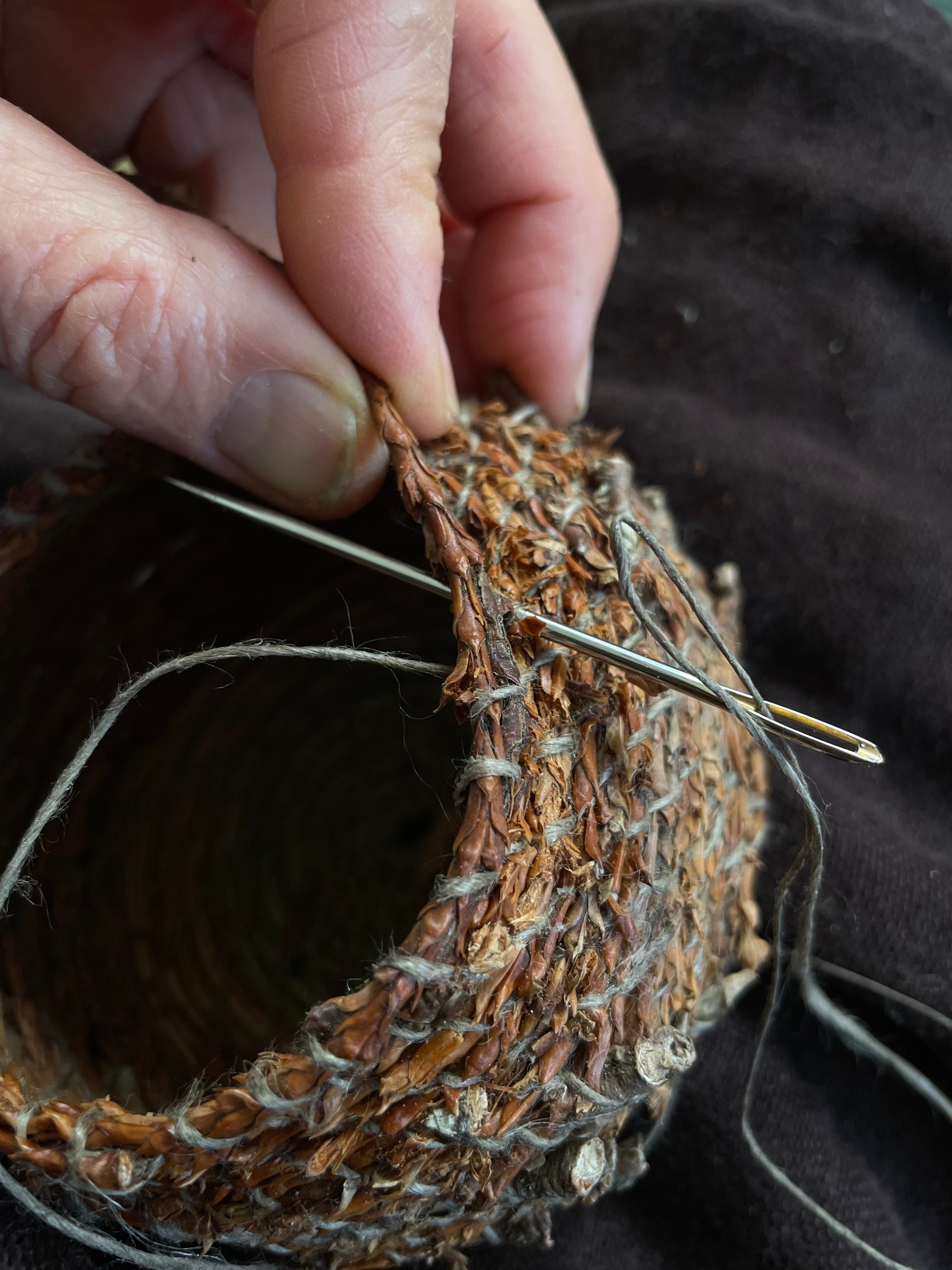
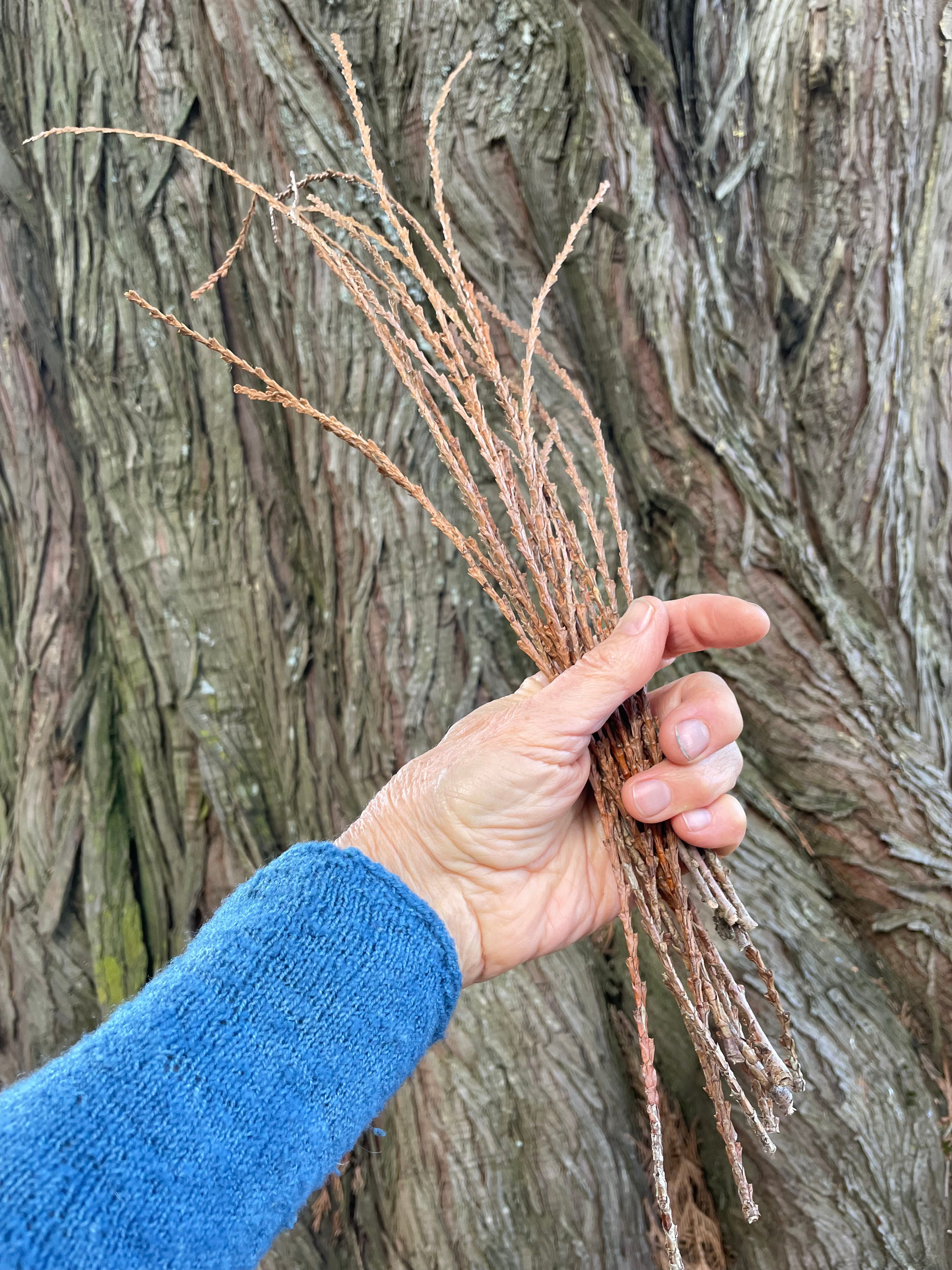
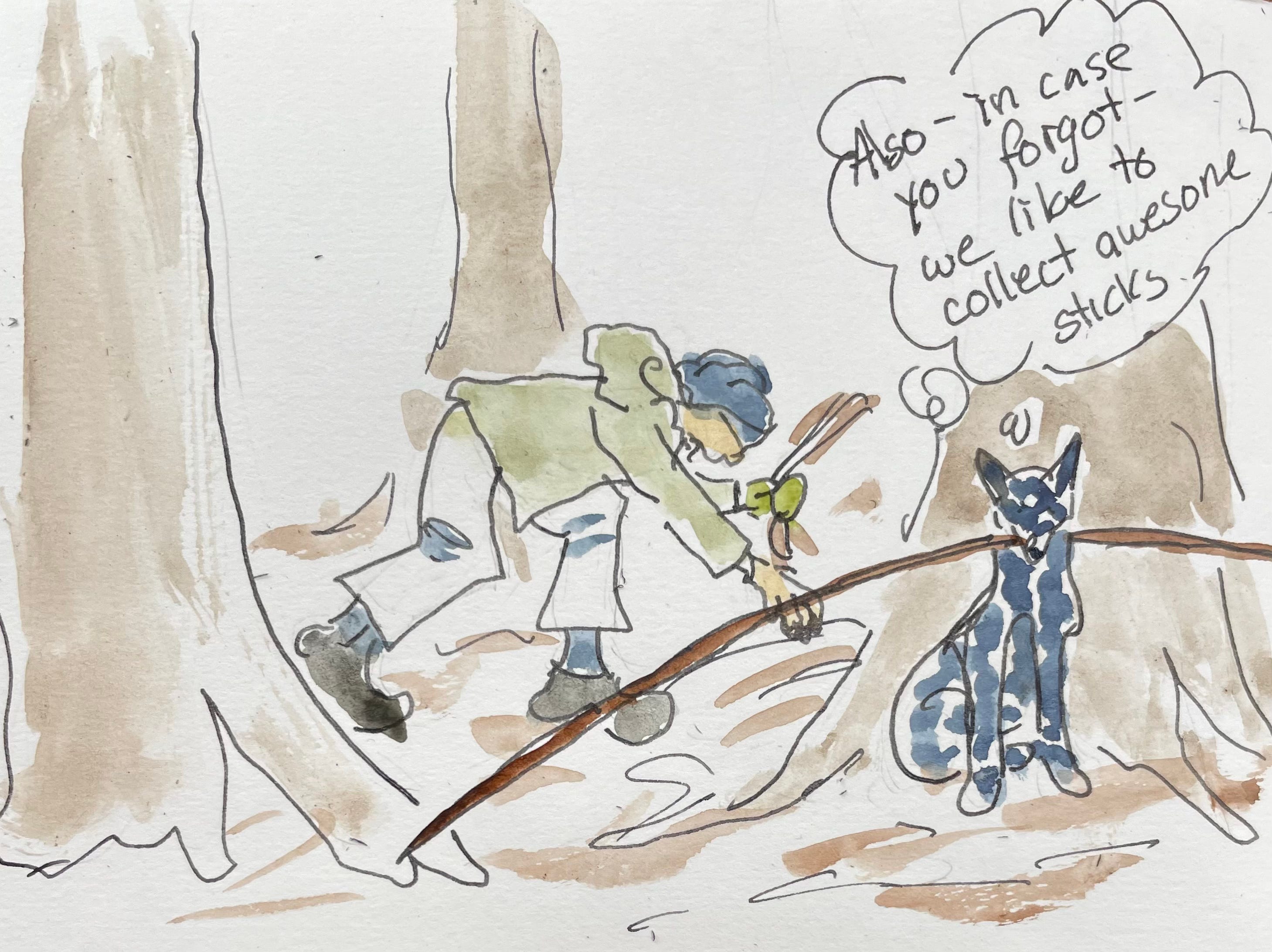
What I don’t know is whether the Cedars decided to scatter the tips of their branches across our path that day so I would notice that they are as beautiful, flexible, delicious smelling and abundant as Ponderosa Pine needles--—
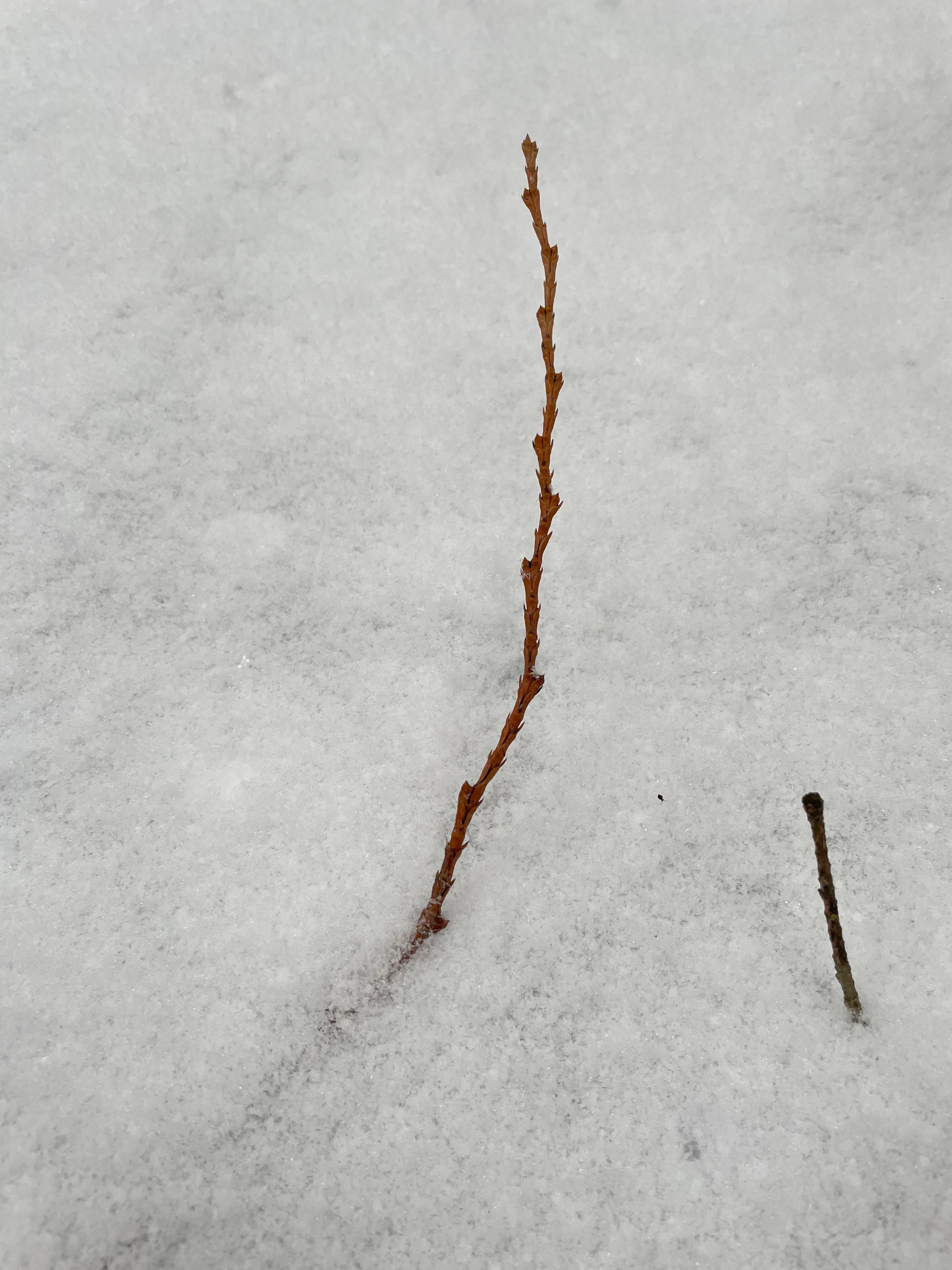
—if Cedar and Pine (living side by side as they do in these woods), came up with a plan together—
—or if it was simply a quirk of the weather—
—some combination of wind, temperature and snow that led to both lying there so enticingly .
It could, I suppose, be any or all of those things.
Or something else entirely.
What I do know—
—is that notice them, I did. 1
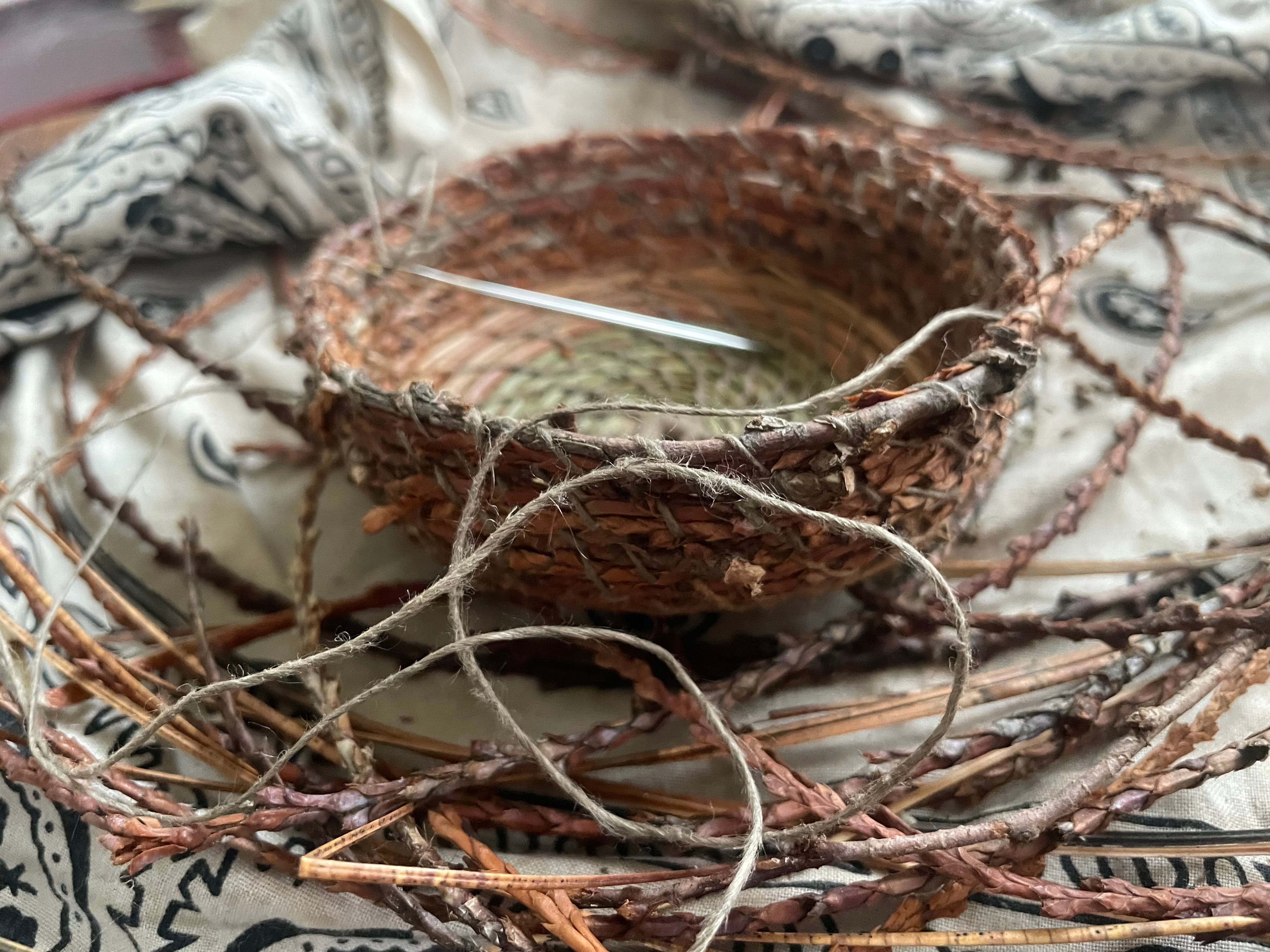
Coil them, I have.2
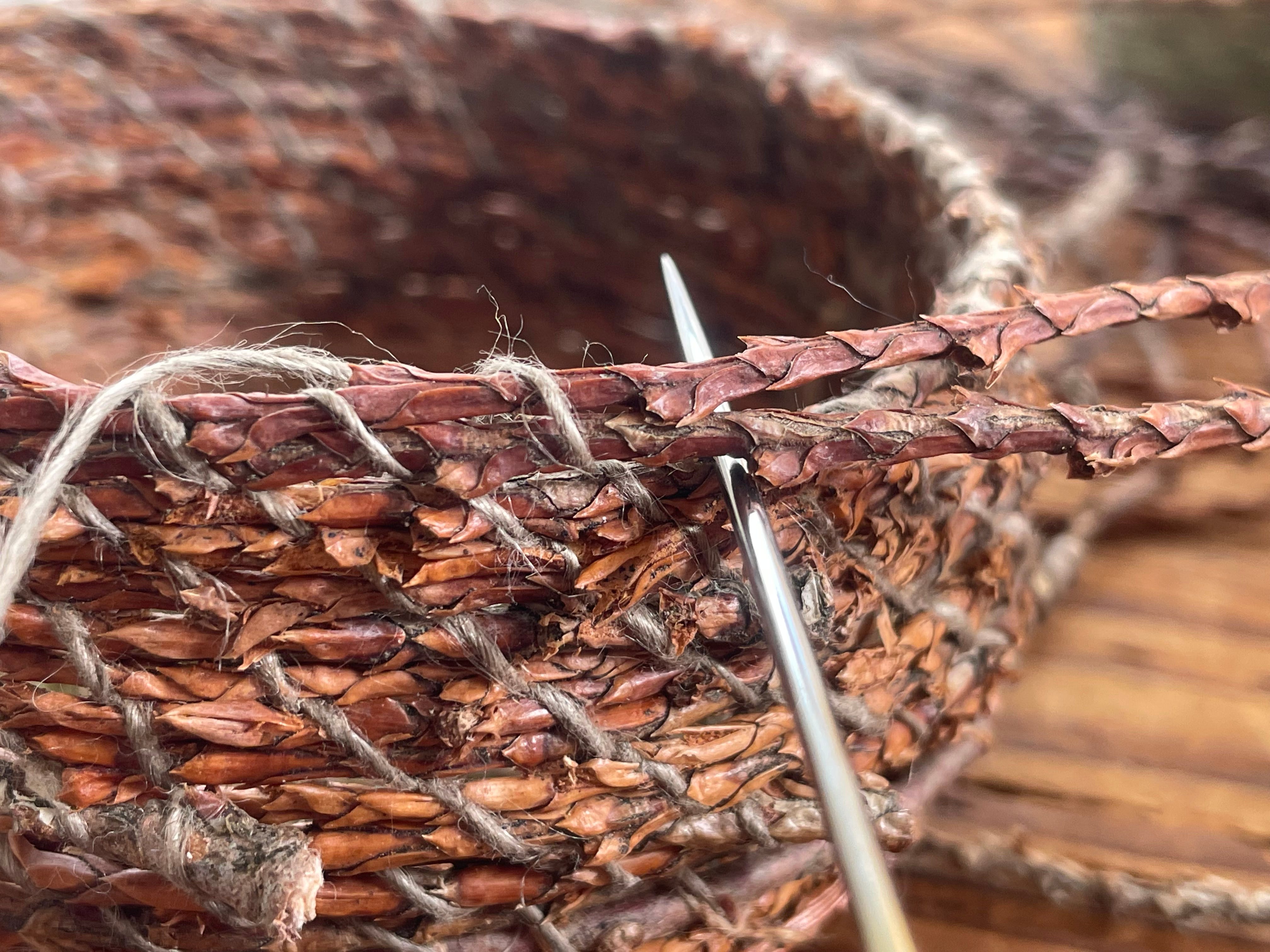
Enchanted, I have been.3
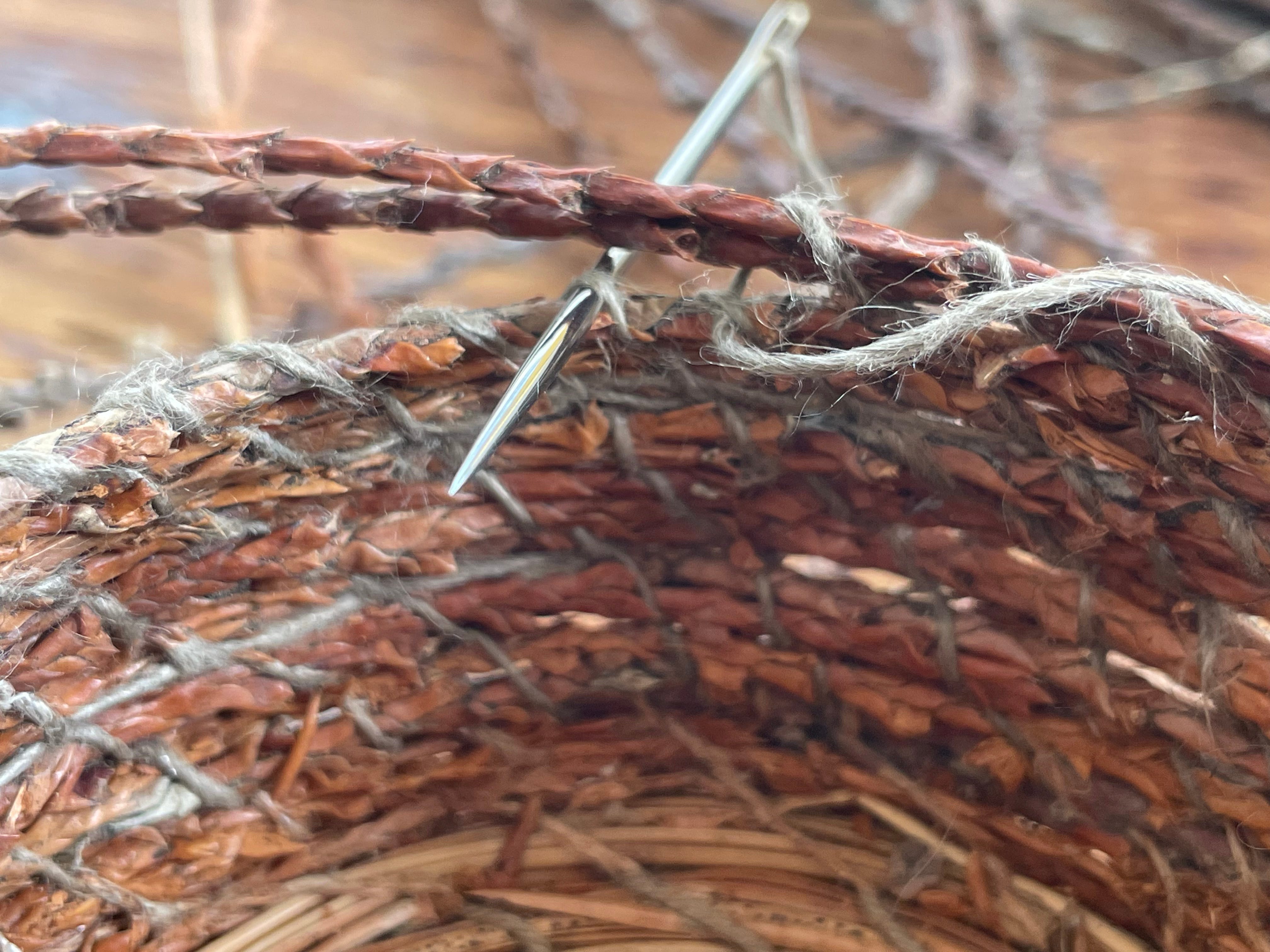
Engaged I am.
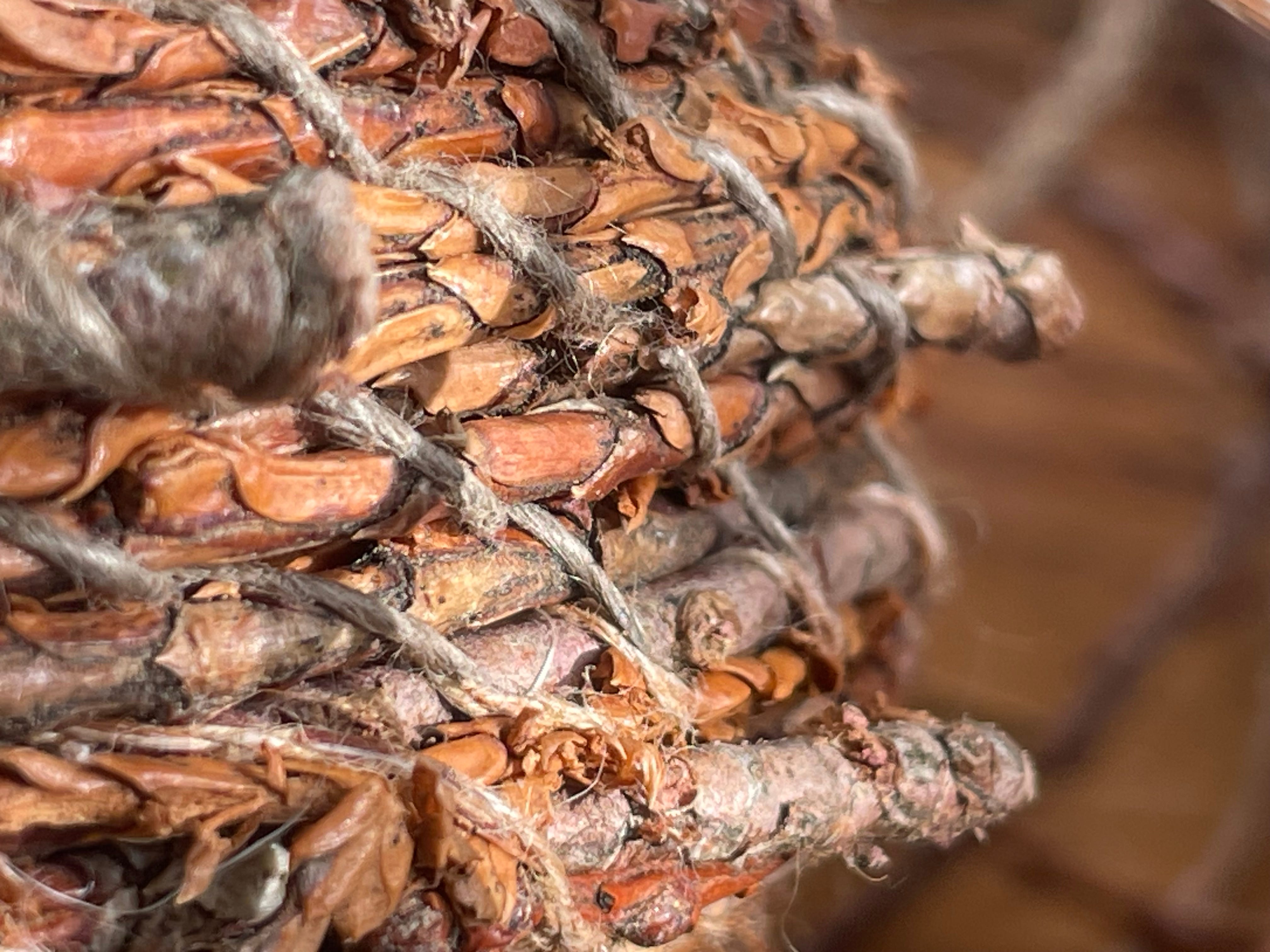
Prize them—we most definitely do.
And welcomed, I feel.4
So planned or not—5
—how not to be glad to get to caress them with fingers—
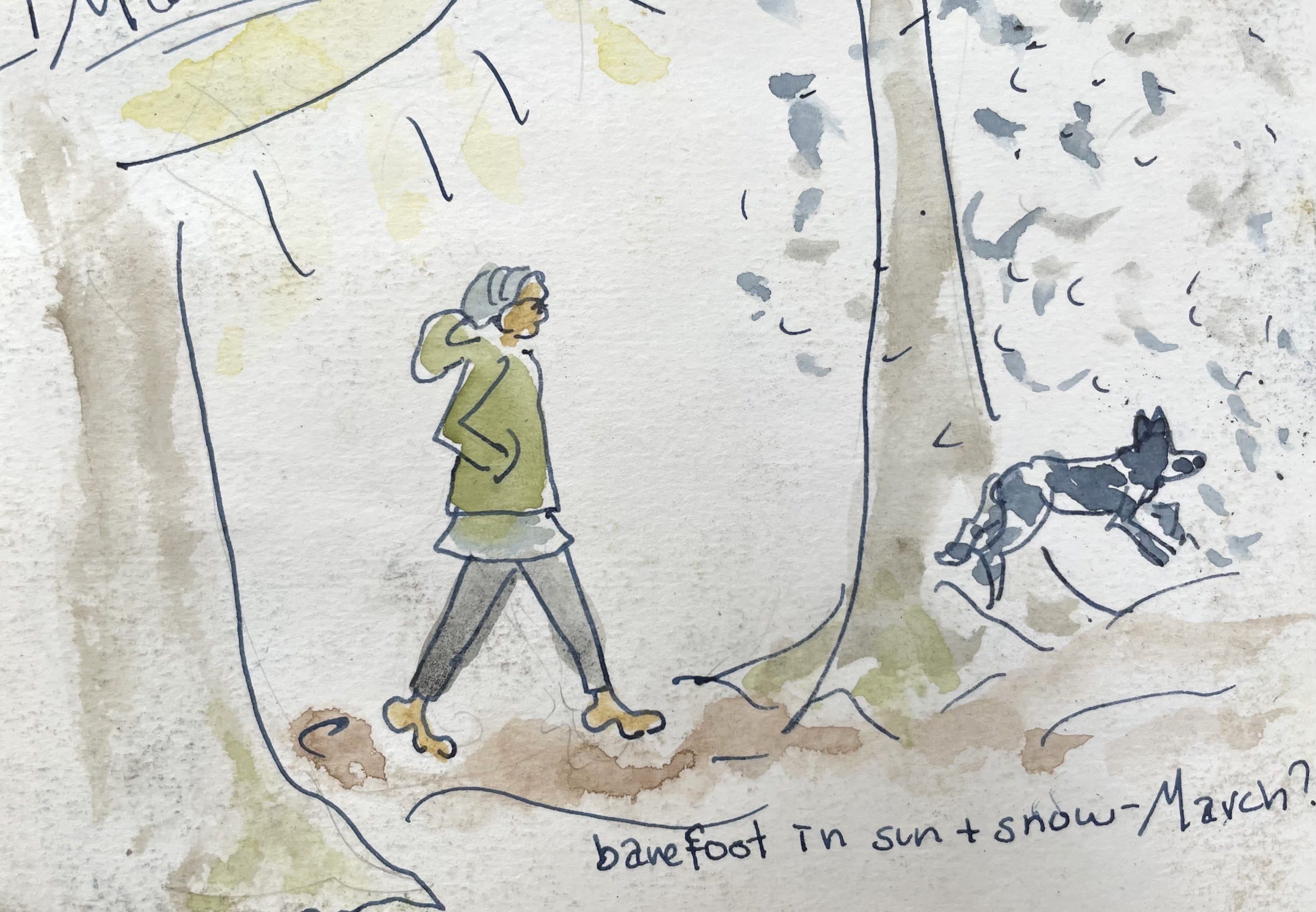
—as well as toes?6
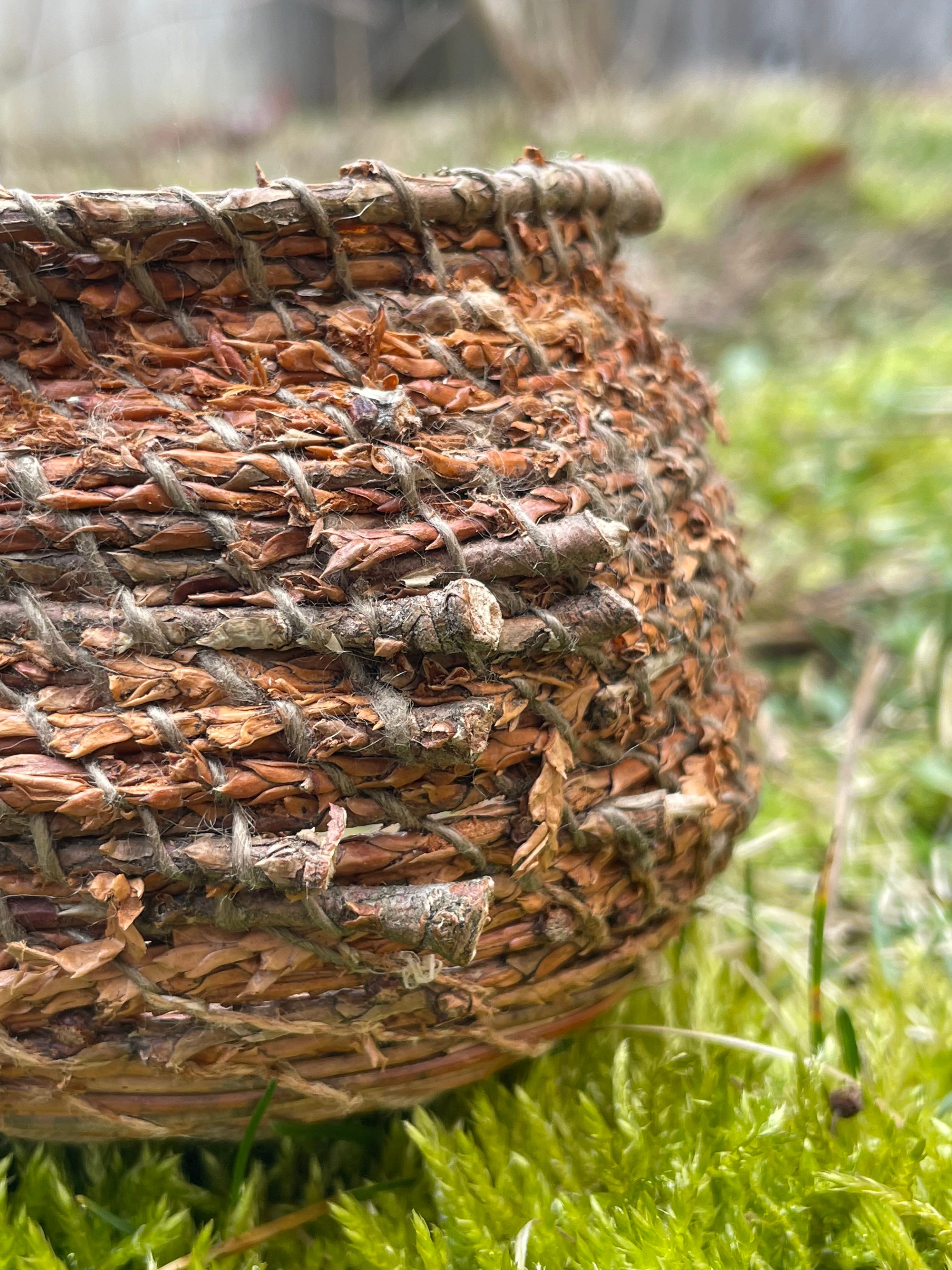
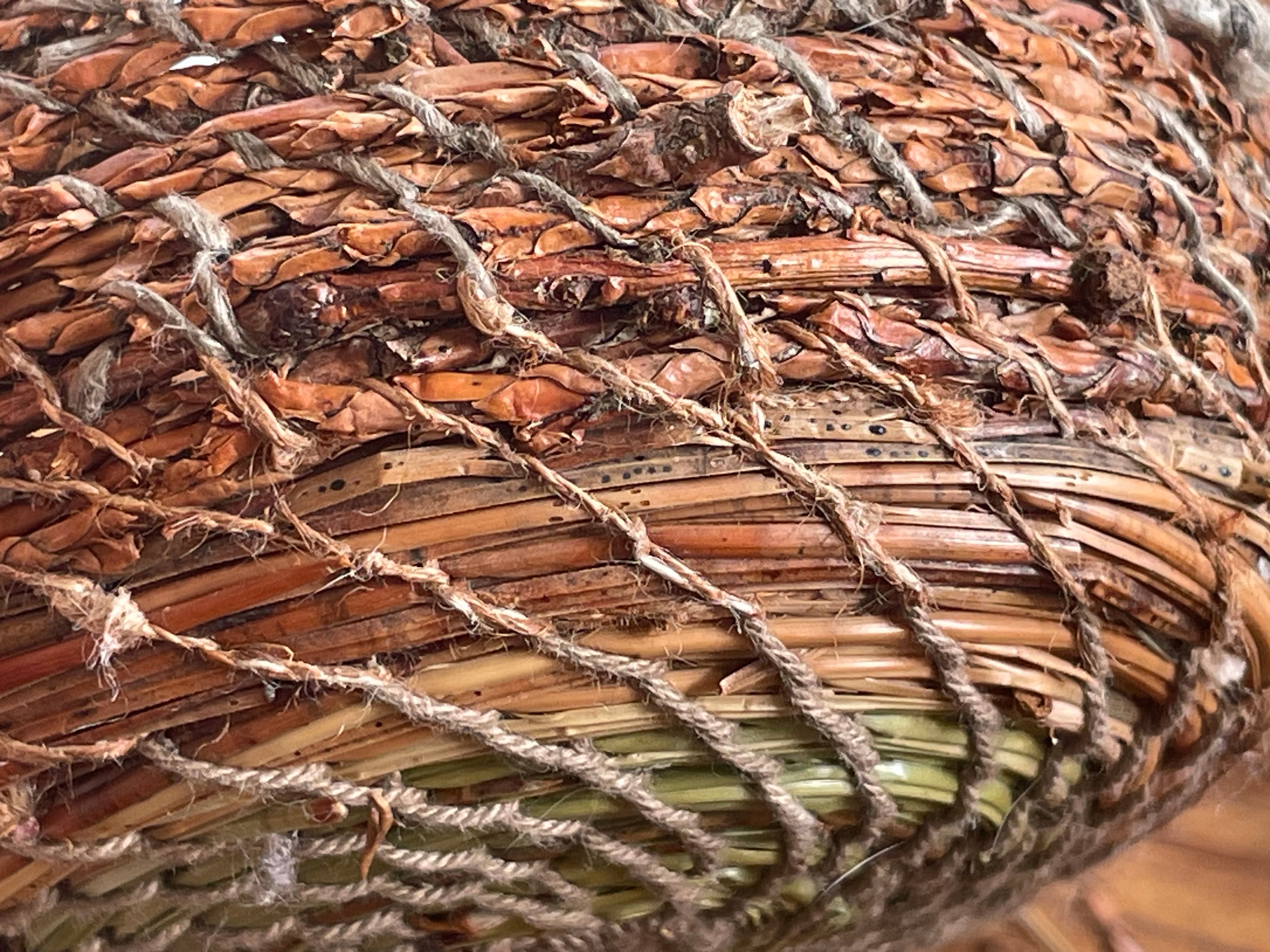
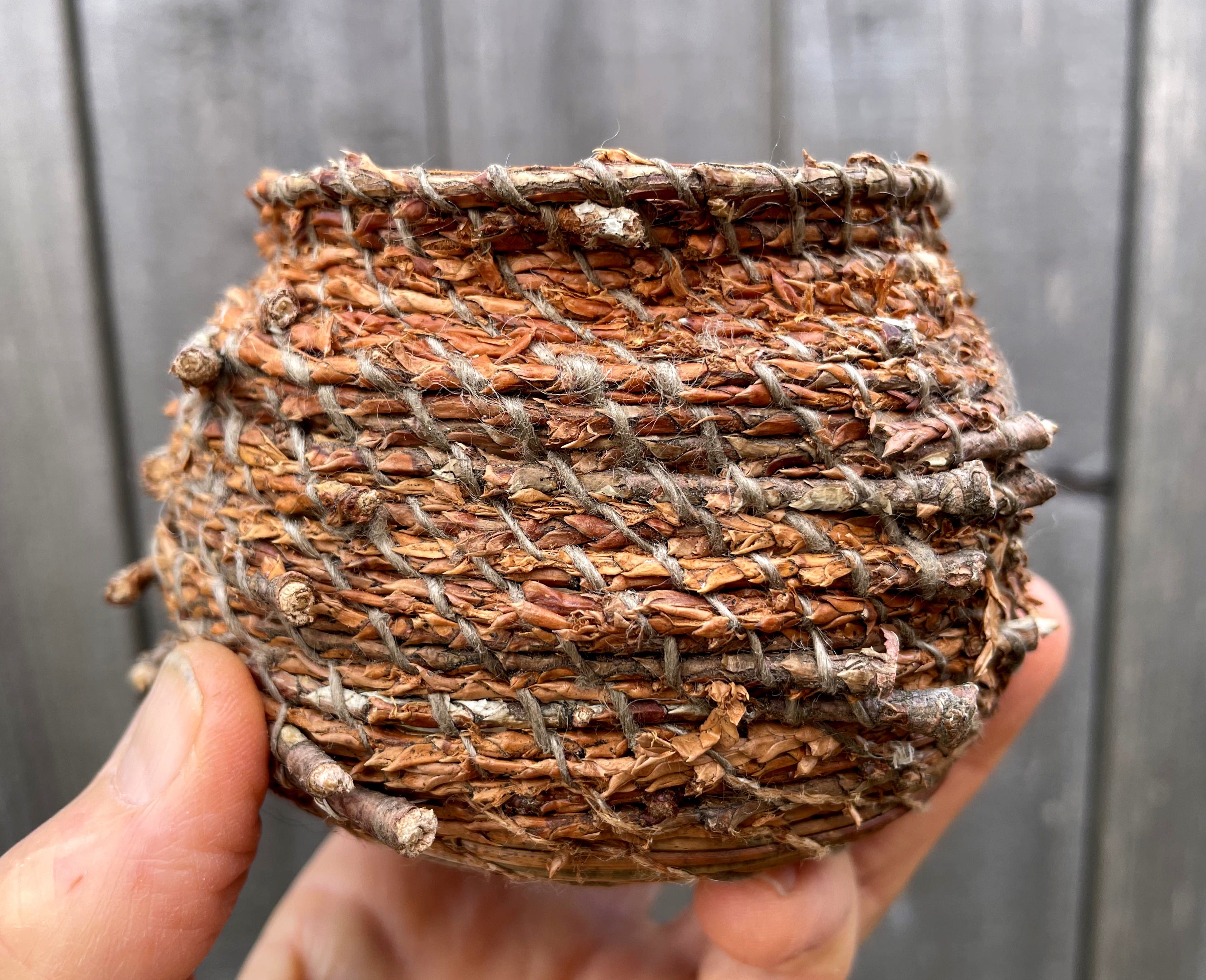
I so love to see these new little branch tips next to the astonishing tree that shed them. The Texture!!!
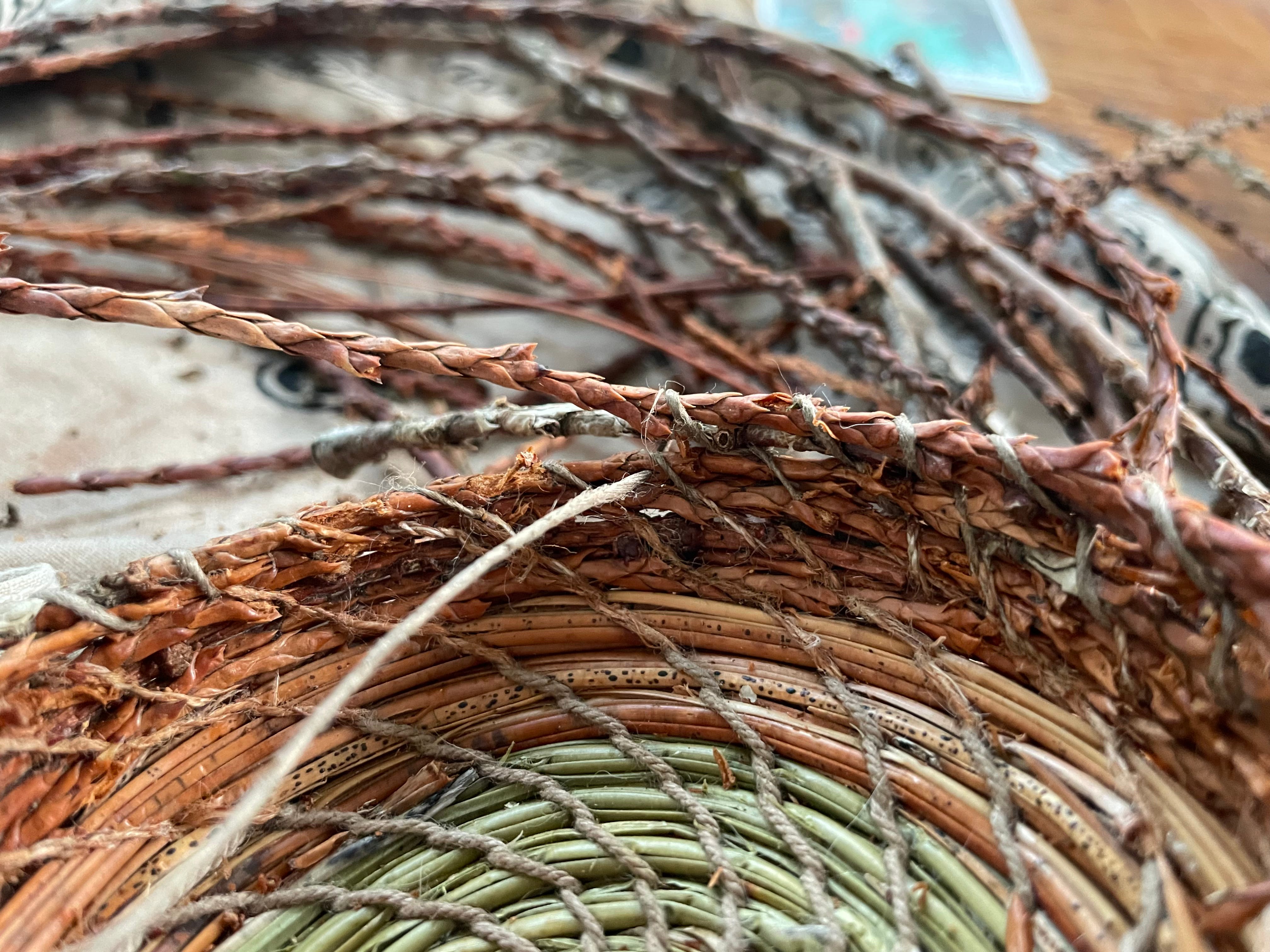
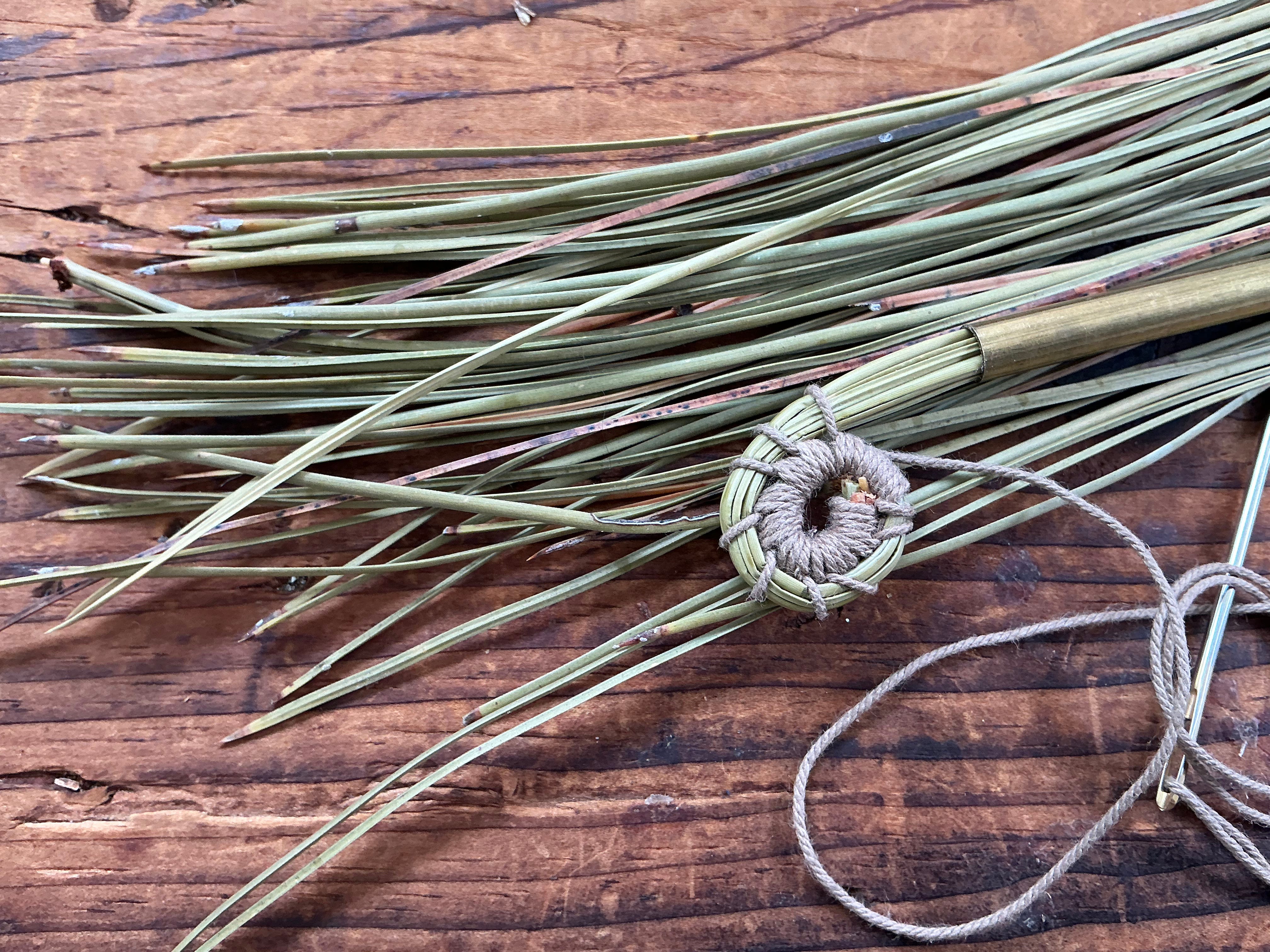
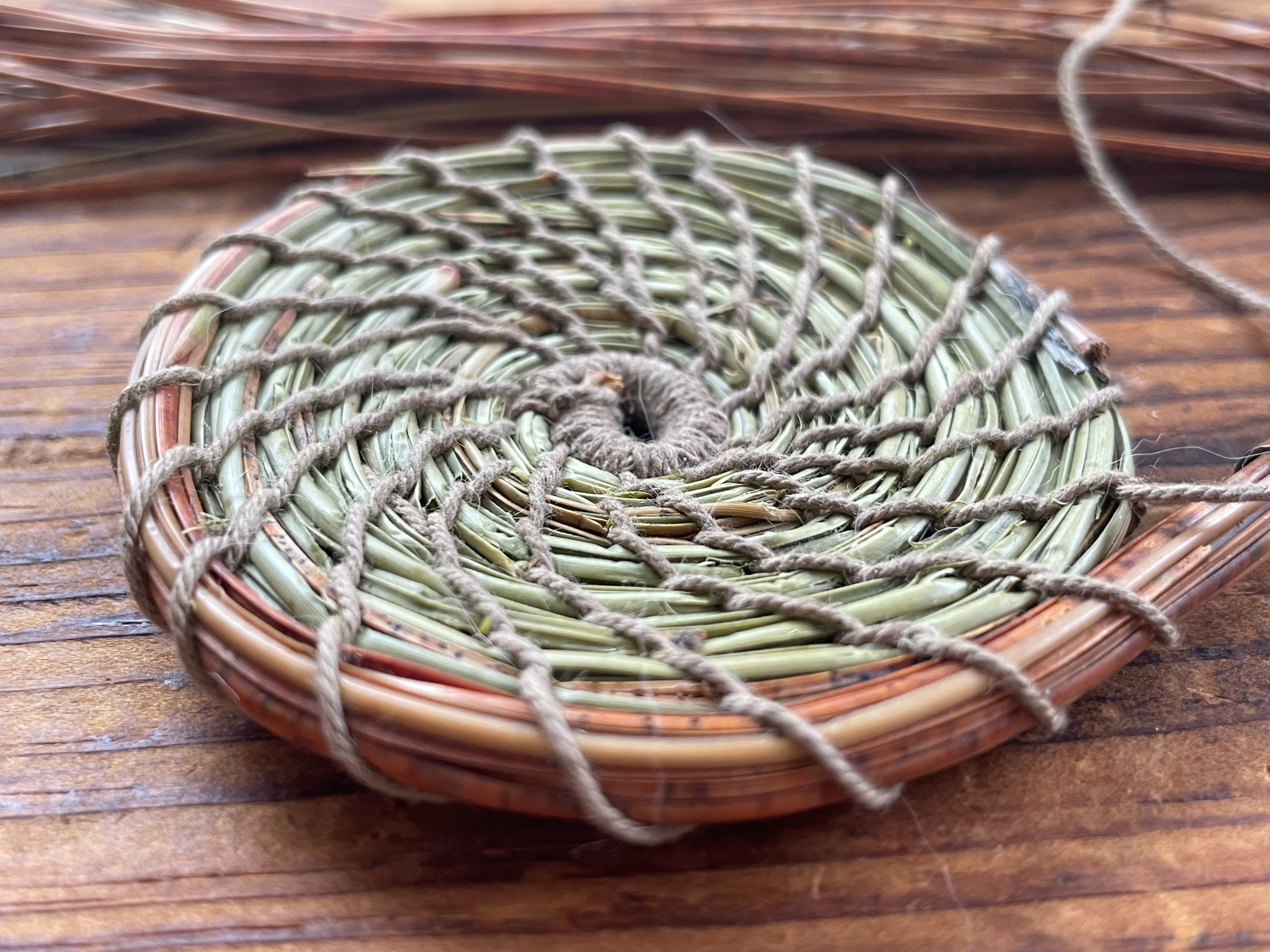
Somehow it seemed sensible to start with a Pine base as I’ve done before, and though it was more for structural than aesthetic reasons, I find the juxtaposition mighty pleasing.
The green needles were from a branch blown down in a wind storm, and I was surprised to find that they stayed pretty green even after drying. I’ve no idea if this will last over time, but it’s fun to play with the colors now. Any more experienced Pine Needle people know about this?
I’ve mostly heard about the bark and roots of Cedars being used in basketry, so though I don’t doubt that there are many people who have used the tips in their work (I am a newbie after all), that delicious feeling of exploring without a map made it extra fun—even as there was definitely a learning curve. Or perhaps it was more like I had to relax into what they had to offer rather than expect them to behave like something I already knew a bit about. At any rate you can see I didn’t sort or grade them in any way so those rough, grey, joint ends stick out in random unplanned clumps, which I quite like, though it’d also be interesting to organize them by length and see what patterns might emerge.
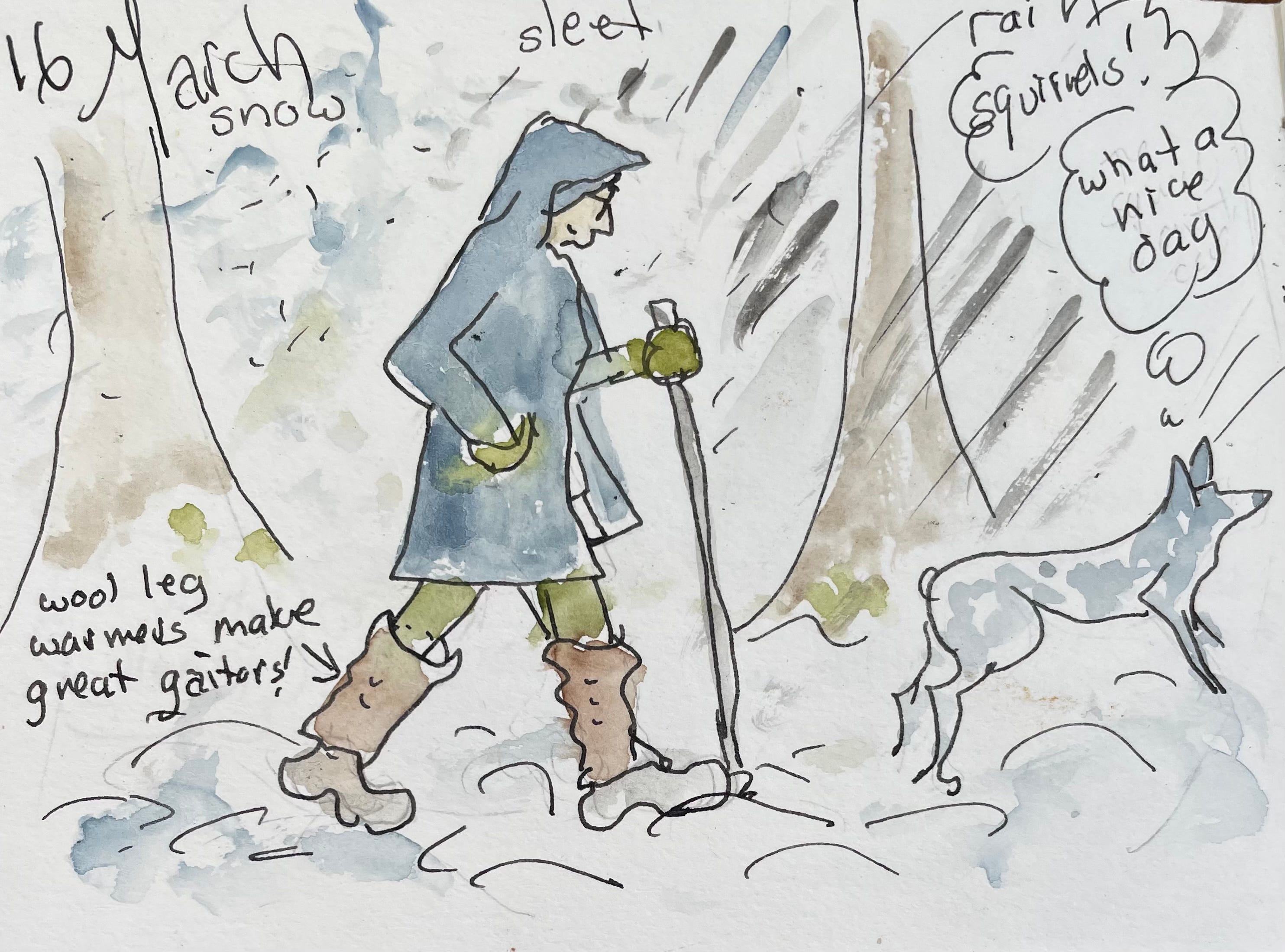
One of the things that delights me the most, and also gives me ease, is that these dropped materials feel like they were freely given by the trees, everyday treasures I somehow was lucky enough to notice. I didn’t need to go after anything—no chopping or cutting or tearing or digging. They were simply there in my path, briefly floating on snow to be gathered (or not) before joining generations of cedar tips and pine needles and fir cones and leaves and dust and snowmelt and insects and deer droppings and endless things I know not of, in the spongy duff on which I will hopefully soon again walk barefoot (even I was well-booted, wool-socked and leg-warmered on the day I gathered them).
You can see in this image that I tried several different cords for lacing the cedar tips in place: the last yards of some walnut dyed cotton cord, hand twisted dogbane, and walnut dyed linen singles. Each has advantages…
In Belonging to the Earth, a recent talk for the Cary Institute of Ecosystem Studies, Robin Wall Kimmerer talks about giving rather than taking from the natural world, and though I did take the branch tips and am not yet sure how or what I’m going to give back, I have been thinking about it. The trees might like the basket itself—and perhaps that is where ki will end up. Or maybe the point is noticing now and supporting these woods and other plants and trees in the future. Certainly it is an question worthy of a lifetime of exploration.
As a place to begin I just joined Plant Baby, Plant, the new grassroots movement led by Robin Wall Kimmerer that invites people to reimagine our shared future through acts of care for the living world (these last words from the website), which I learned about in the talk.
Thanks for the link to PBP Sarah. And thanks too for the reminder that exploring without a map is really fun!
I can almost smell the cedar and pine from my desk here in So. Cal. Oh the fragrance!!